In today’s interconnected digital landscape, the ability to pinpoint the geographical location of a device using its Internet Protocol (IP) address is more crucial than ever. This capability, known as IP geolocation, plays a pivotal role in enhancing user experiences, securing online transactions, and personalizing content. This longread explores IP geolocation technology, its applications, the challenges it faces, and its significant impact across various industries.

IP geolocation is a technology that uses the IP address of a device connected to the internet to determine its geographical location. This location data typically includes the country, region, city, or zip code, and may extend to more detailed information like latitude and longitude, local time zone, currency, language, and even the ISP (Internet Service Provider) details.
The process involves matching an IP address to a comprehensive IP database containing associated geographic and infrastructural information. These databases are compiled and maintained through information gathered from regional internet registries, ISPs, and other data sources.
IP geolocation finds utility in a broad range of applications, enhancing both user experience and business operations:
| Application | Description | Benefits |
| Content Localization | Adapts the website content to fit the cultural context of the user’s location. | Enhances user engagement and experience. |
| Fraud Detection | Monitors IP addresses for unusual activities to prevent potential fraud. | Increases security for online transactions. |
| Geo-targeting | Delivers region-specific content and advertisements to users. | Boosts marketing effectiveness by reaching the target audience. |
| Compliance | Ensures the content adheres to local regulations (e.g., GDPR). | Reduces legal risks by aligning with regional laws. |
IP Geolocation technology involves several key steps from data collection to user interface implementation:
Despite its numerous applications, IP geolocation technology faces significant challenges:
The future of IP geolocation looks promising with advancements in technology and increased integration of machine learning models to improve accuracy. The evolution of IP standards, particularly the transition towards IPv6, offers more robust capabilities for handling the growing number of internet-connected devices.
IP geolocation is a transformative technology that supports multiple facets of digital engagement, from security to personalized user experiences. As the internet continues to evolve, the role of IP geolocation will become increasingly significant in creating seamless, secure, and tailored online experiences.

Evgeny Sevastyanov
Client Support Teamleader

A Beginner’s Guide to Subnetting IPv4 and IPv6 Addresses Subnetting is a critical

Why IPv4 Leasing Is Becoming the Smart Choice for Businesses in 2025 1. Introduction
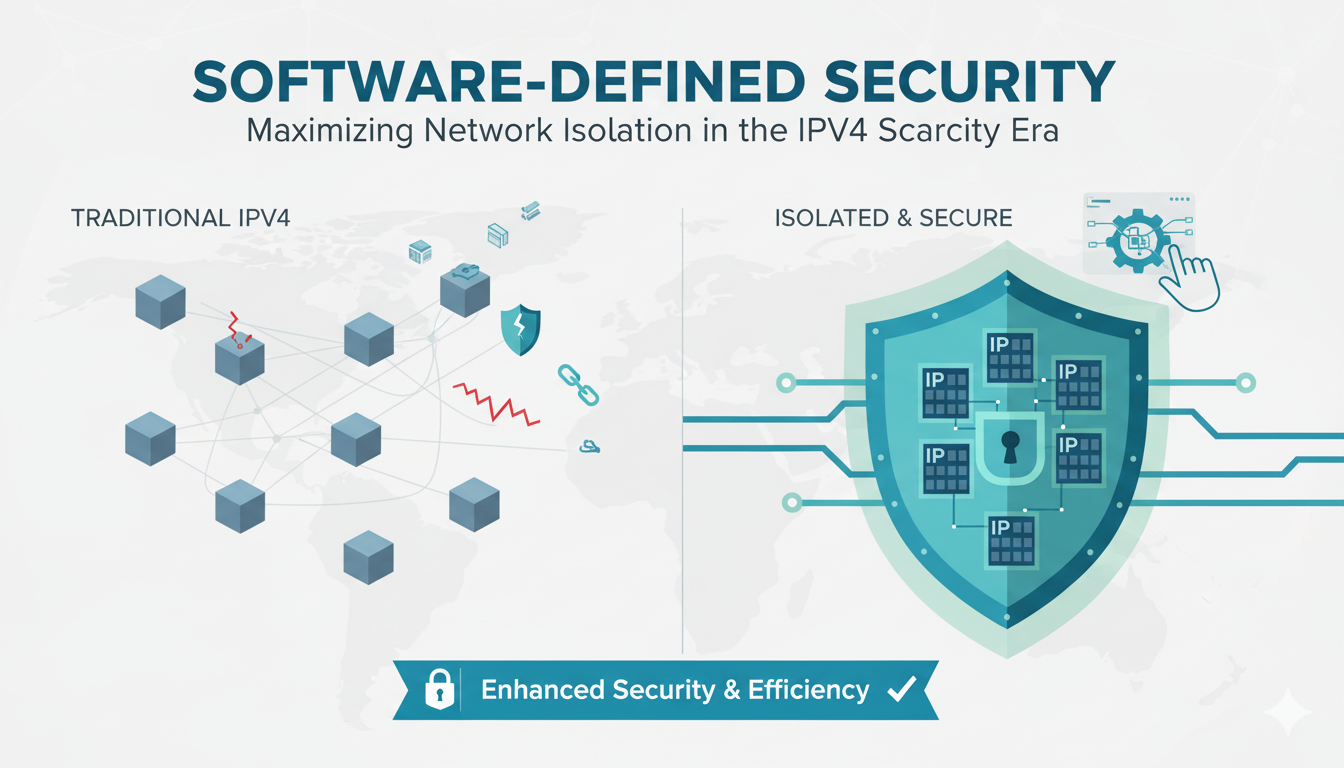
As CEO of InterLIR, I’ve witnessed firsthand how network isolation strategies

What is an ASN? ASN stands for Autonomous System Number. It is a unique identifier

Anycast DNS: A Leader’s Guide to Protecting Your Digital Infrastructure Executive

RPKI Certification: A Leader’s Guide to Internet Routing Security Executive

Executive Summary: What You Need to Know 🎯 Strategic Importance – Internet

When AWS DynamoDB failed in October 2025, thousands of businesses discovered that

Executive Summary: What You Need to Know 🎯 IP reputation directly impacts your
Live chat is provided by Intercom and is loaded only after you enable it. You can also contact us without enabling the chat.