In the vast, interconnected expanse of the internet, understanding the role and function of DNS records is crucial for anyone looking to establish a robust online presence. The Domain Name System (DNS) acts as the internet’s phonebook, translating human-friendly domain names into machine-readable IP addresses.
DNS records are a set of instructions stored on authoritative DNS servers. They guide internet traffic by translating domain names into IP addresses and directing other operational behaviors of the domain. These records, analogous to entries in a business directory, contain vital information such as a business’s address (A and AAAA records) and services offered (SRV records), amongst other details.
Each DNS record has a ‘TTL’ or time-to-live, dictating how long a server should cache the record. Like a business’s listing might detail operation hours and services, DNS records specify how to route internet traffic for a domain.
DNS records come in various forms, each serving unique purposes in the digital ecosystem.
| Type | Type id (decimal) | Defining RFC | Description | Function |
| A | 1 | RFC 1035 | Address record | Maps hostnames to a 32-bit IPv4 address. Used for mapping domain names to IP addresses. |
| AAAA | 28 | RFC 3596 | IPv6 address record | Maps hostnames to a 128-bit IPv6 address. |
| AFSDB | 18 | RFC 1183 | AFS database record | Locates database servers of an AFS cell. |
| APL | 42 | RFC 3123 | Address Prefix List | Specifies lists of address ranges, e.g., in CIDR format. Experimental. |
| CAA | 257 | RFC 6844 | Certification Authority Authorization | Specifies which CAs are allowed to issue certificates for a domain. |
| CDNSKEY | 60 | RFC 7344 | Child copy of DNSKEY record | For transferring to the parent zone. |
| CDS | 59 | RFC 7344 | Child DS | Child copy of DS record, for transfer to parent. |
| CERT | 37 | RFC 4398 | Certificate record | Stores certificates like PKIX, SPKI, PGP, etc. |
| CNAME | 5 | RFC 1035 | Canonical name record | Aliases one name to another, DNS lookup will retry with the new name. |
| CSYNC | 62 | RFC 7477 | Child-to-Parent Synchronization | Mechanism between a child and a parent DNS zone. |
| DHCID | 49 | RFC 4701 | DHCP identifier | Used with FQDN option to DHCP. |
| DLV | 32769 | RFC 4431 | DNSSEC Lookaside Validation record | For DNSSEC trust anchors outside of the DNS delegation chain. |
| DNAME | 39 | RFC 6672 | Delegation name record | Aliases a name and all its subnames. DNS lookup will continue with the new name. |
| DNSKEY | 48 | RFC 4034 | DNS Key record | Key record used in DNSSEC. |
| DS | 43 | RFC 4034 | Delegation signer | Identifies the DNSSEC signing key of a delegated zone. |
| EUI48 | 108 | RFC 7043 | MAC address (EUI-48) | Stores a 48-bit MAC address. |
| EUI64 | 109 | RFC 7043 | MAC address (EUI-64) | Stores a 64-bit MAC address. |
| HINFO | 13 | RFC 8482 | Host Information | Provides minimal responses to DNS queries with QTYPE=ANY. |
| HIP | 55 | RFC 8005 | Host Identity Protocol | Separates endpoint identifier and locator roles of IP addresses. |
| HTTPS | 65 | RFC 9460 | HTTPS Binding | Enhances performance for clients resolving many resources to access a domain. |
| IPSECKEY | 45 | RFC 4025 | IPsec Key | Key record used with IPsec. |
| KEY | 25 | RFC 2535, RFC 2930 | Key record | Used for SIG(0) and TKEY. Limited use to DNSSEC. |
| KX | 36 | RFC 2230 | Key Exchanger record | Identifies a key management agent for the domain. |
| LOC | 29 | RFC 1876 | Location record | Specifies a geographical location for a domain. |
| MX | 15 | RFC 1035, RFC 7505 | Mail exchange record | Lists mail exchange servers for email delivery. |
| NAPTR | 35 | RFC 3403 | Naming Authority Pointer | Rewrites domain names for URIs and other purposes. |
| NS | 2 | RFC 1035 | Name server record | Delegates a DNS zone to authoritative name servers. |
| NSEC | 47 | RFC 4034 | Next Secure record | Part of DNSSEC, proves a name does not |
DNS records are the backbone of internet connectivity. They ensure users can visit websites, send emails, and connect to services using familiar domain names instead of complex numerical IP addresses. This system underpins virtually all online activities, making understanding and correctly configuring DNS records paramount for network administrators and website owners.
While DNS is a powerful tool for managing internet traffic, misconfigurations can lead to downtime, security vulnerabilities, and other operational challenges. To mitigate these risks, it’s crucial to:
In conclusion, DNS records are more than just technical jargon; they are the lifelines of internet accessibility and efficiency. By understanding and correctly managing DNS records, businesses and individuals can ensure seamless online experiences for their users.
Navigating the world of DNS might seem daunting, but armed with the right information, it becomes a powerful tool in your digital arsenal. Whether you’re a budding webmaster, an experienced network administrator, or just curious about how the internet works, mastering DNS records is a step toward a more secure, reliable, and efficient online presence.
In a digital age where online presence is synonymous with visibility and access, understanding DNS records is not just beneficial—it’s essential. Take the time to familiarize yourself with these critical components of internet infrastructure, and ensure your online operations run smoothly and securely.

Evgeny Sevastyanov
Client Support Teamleader

A Beginner’s Guide to Subnetting IPv4 and IPv6 Addresses Subnetting is a critical

Why IPv4 Leasing Is Becoming the Smart Choice for Businesses in 2025 1. Introduction
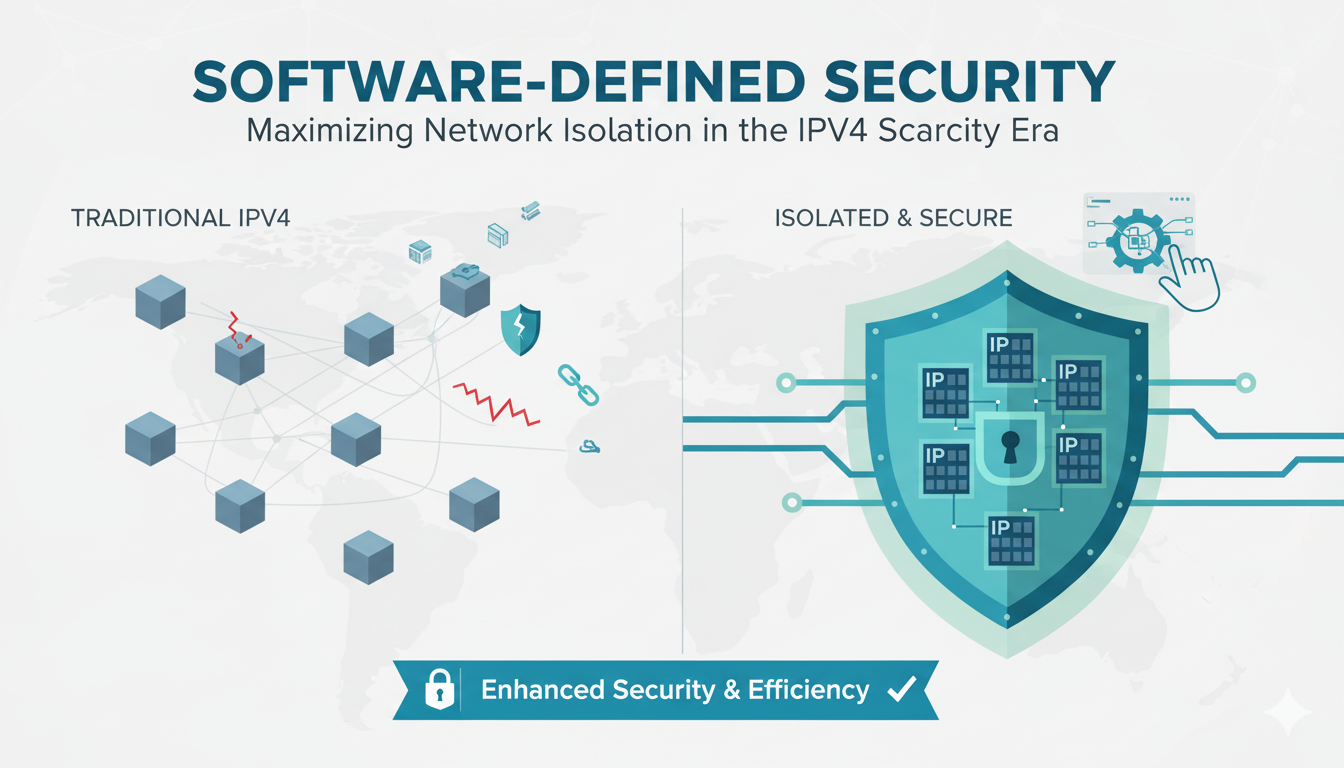
As CEO of InterLIR, I’ve witnessed firsthand how network isolation strategies

What is an ASN? ASN stands for Autonomous System Number. It is a unique identifier

Anycast DNS: A Leader’s Guide to Protecting Your Digital Infrastructure Executive

RPKI Certification: A Leader’s Guide to Internet Routing Security Executive

Executive Summary: What You Need to Know 🎯 Strategic Importance – Internet

When AWS DynamoDB failed in October 2025, thousands of businesses discovered that

Executive Summary: What You Need to Know 🎯 IP reputation directly impacts your
Live chat is provided by Intercom and is loaded only after you enable it. You can also contact us without enabling the chat.