In the ever-expanding digital landscape, IPv4 addresses have become a hot commodity. As businesses strive to establish and grow their online presence, the demand for these internet protocol addresses continues to surge, exacerbating their scarcity. This scenario has set the stage for IPv4 leasing to emerge as a strategic solution, benefiting both address holders and lessees alike. This article delves into the multifaceted benefits of IPv4 leasing, highlighting why it’s become a pivotal element in today’s market.

IPv4 leasing refers to the process where businesses or individuals temporarily acquire IP addresses from holders who have unused allocations. This arrangement provides an alternative to the costly and often unavailable option of purchasing IPv4 addresses outright.
For IP Holders:
For Lessees:
Both lessors and lessees find value in IPv4 leasing. Lessees avoid the steep upfront costs of purchasing, while lessors generate income from dormant resources. This symbiotic relationship fosters market efficiency and resource utilization.
However, potential challenges such as premature lease termination by the lessor, IP misuse leading to blacklisting, or unexpected price hikes must be navigated carefully. Awareness and mitigation strategies can help both parties maximize the benefits while minimizing risks.
Here’s a comparative analysis to illustrate the benefits for both IP holders (lessors) and lessees:
| Aspect | Benefit for IP Holder | Benefit for Lessee |
| Financial | Steady income without selling assets | Lower initial expenditure |
| Operational | Retained asset control | Immediate access to necessary resources |
| Strategic | Revenue diversification | Scalability and flexibility |
IPv4 leasing not only offers a practical solution to address scarcity but also supports businesses in their growth and adaptation phases. It aligns lessee expenses with revenue, freeing up capital for other strategic investments. Additionally, it serves as a bridge to the future of internet protocols, offering a temporary solution as the world gradually transitions to IPv6.
IPv4 leasing stands out as a critical strategy in the contemporary market, characterized by its cost-efficiency, scalability, and flexibility. As the internet continues to grow, the value of IPv4 leasing becomes increasingly clear, presenting a win-win solution for IP holders looking to capitalize on idle resources and businesses seeking to navigate the digital space effectively.
By understanding and leveraging the benefits of IPv4 leasing, stakeholders can ensure they remain competitive and resourceful in the digital age. Whether looking to generate sustainable income or to scale operations efficiently, IPv4 leasing offers a viable and strategic pathway in today’s market.

Alexey Shkittin
CEO

A Beginner’s Guide to Subnetting IPv4 and IPv6 Addresses Subnetting is a critical

Why IPv4 Leasing Is Becoming the Smart Choice for Businesses in 2025 1. Introduction
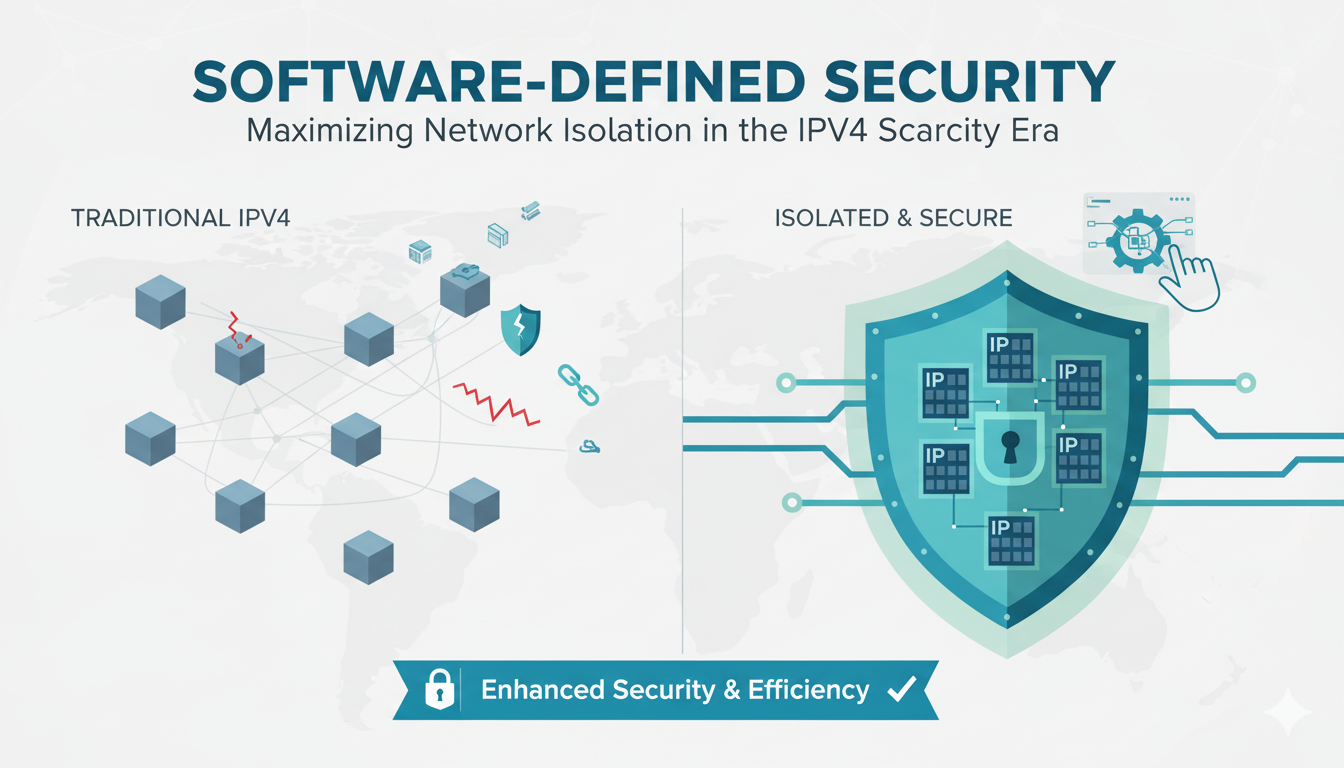
As CEO of InterLIR, I’ve witnessed firsthand how network isolation strategies

What is an ASN? ASN stands for Autonomous System Number. It is a unique identifier

Anycast DNS: A Leader’s Guide to Protecting Your Digital Infrastructure Executive

RPKI Certification: A Leader’s Guide to Internet Routing Security Executive

Executive Summary: What You Need to Know 🎯 Strategic Importance – Internet

When AWS DynamoDB failed in October 2025, thousands of businesses discovered that

Executive Summary: What You Need to Know 🎯 IP reputation directly impacts your
Live chat is provided by Intercom and is loaded only after you enable it. You can also contact us without enabling the chat.