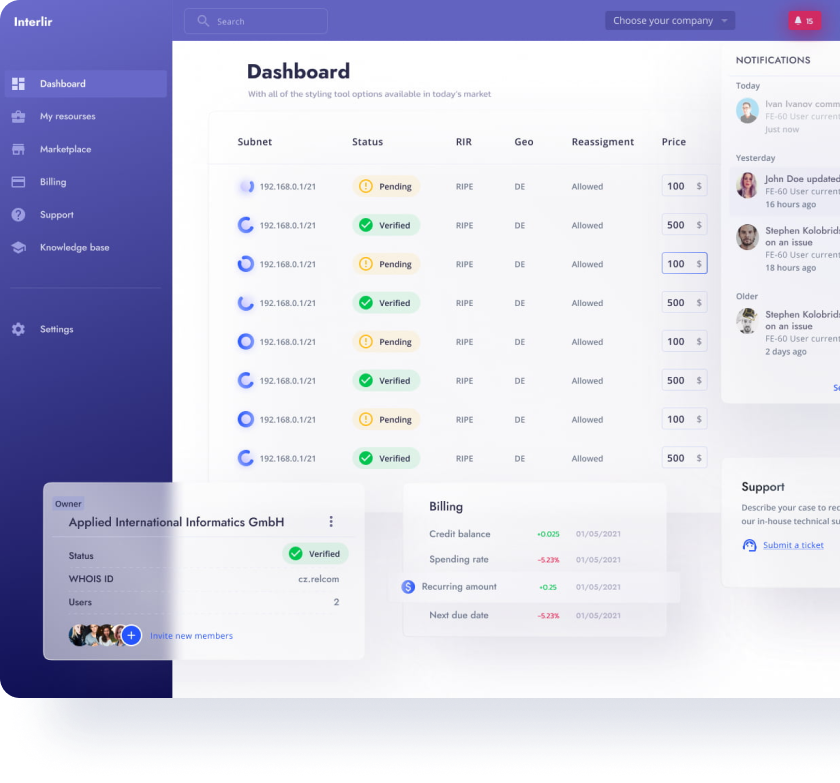
In the digital era, the demand for IPv4 addresses continues to surge, making their transfer an essential process for many organizations. Whether due to mergers, acquisitions, or the shift to IPv6, understanding how to properly transfer IPv4 addresses to a new owner is vital. This long-read aims to dissect the process, offering insights and practical advice to ensure a smooth and legally compliant transition.

Transferring IPv4 addresses is not as straightforward as it may seem. It involves various steps and adherence to specific regional internet registry (RIR) policies. Here’s a breakdown of the key phases:
With IPv4 resources nearly depleted, acquiring additional addresses is becoming increasingly challenging. The limited supply and high demand have led to a rise in prices and made the acquisition process more complex, particularly when involving different RIRs. This market’s unregulated nature can lead to price inflation and potential scams, emphasizing the importance of due diligence.
Transferring IPv4 addresses involves intricate steps, from legal entitlement verification to ensuring the absence of disputes over the intended IP block. Both sellers and buyers face stringent criteria, including a cooling-off period where recently acquired addresses can’t be transferred again immediately.
| Stage | Requirement for Seller | Requirement for Buyer |
| Pre-Transfer | Prove ownership; Ensure no disputes | Demonstrate need for additional addresses |
| Transfer Process | Cannot have acquired or transferred IPs within the past year | Obtain pre-approval from RIR |
| Post-Transfer | Ensure compliance with RIR policies | Finalize arrangements for IPv4 usage |
The transfer process can vary significantly between different regional internet registries (RIRs), each with its own set of policies and requirements. Understanding these nuances is crucial for a smooth transfer. Here’s how different RIRs manage the transfer process:
The transfer market is not immune to risks such as blocklisting and hijacking. A study revealed that a significant portion of transferred resources were blocklisted due to malicious behavior. Ensuring the legitimacy and security of the transfer process is paramount to mitigate these risks.
IPv4 transfers can be costly, encompassing not just the price of the addresses but also additional fees including broker services and RIR charges. Prospective buyers and sellers must consider these factors carefully to ensure a cost-effective and successful transfer.
For businesses in need of IPv4 addresses, alternatives include joining waiting lists at RIRs or opting for IPv4 leasing as an immediate but temporary solution. Each approach has its pros and cons, requiring careful consideration based on your organization’s specific needs and future plans.
The decision to transfer IPv4 addresses involves careful planning, a thorough understanding of RIR policies, and an assessment of your organization’s long-term needs. Whether you choose to lease or purchase, navigating the IPv4 market requires diligence, legal compliance, and strategic foresight.

Alexei Krylov Nikiforov
Sales manager

A Beginner’s Guide to Subnetting IPv4 and IPv6 Addresses Subnetting is a critical

Why IPv4 Leasing Is Becoming the Smart Choice for Businesses in 2025 1. Introduction
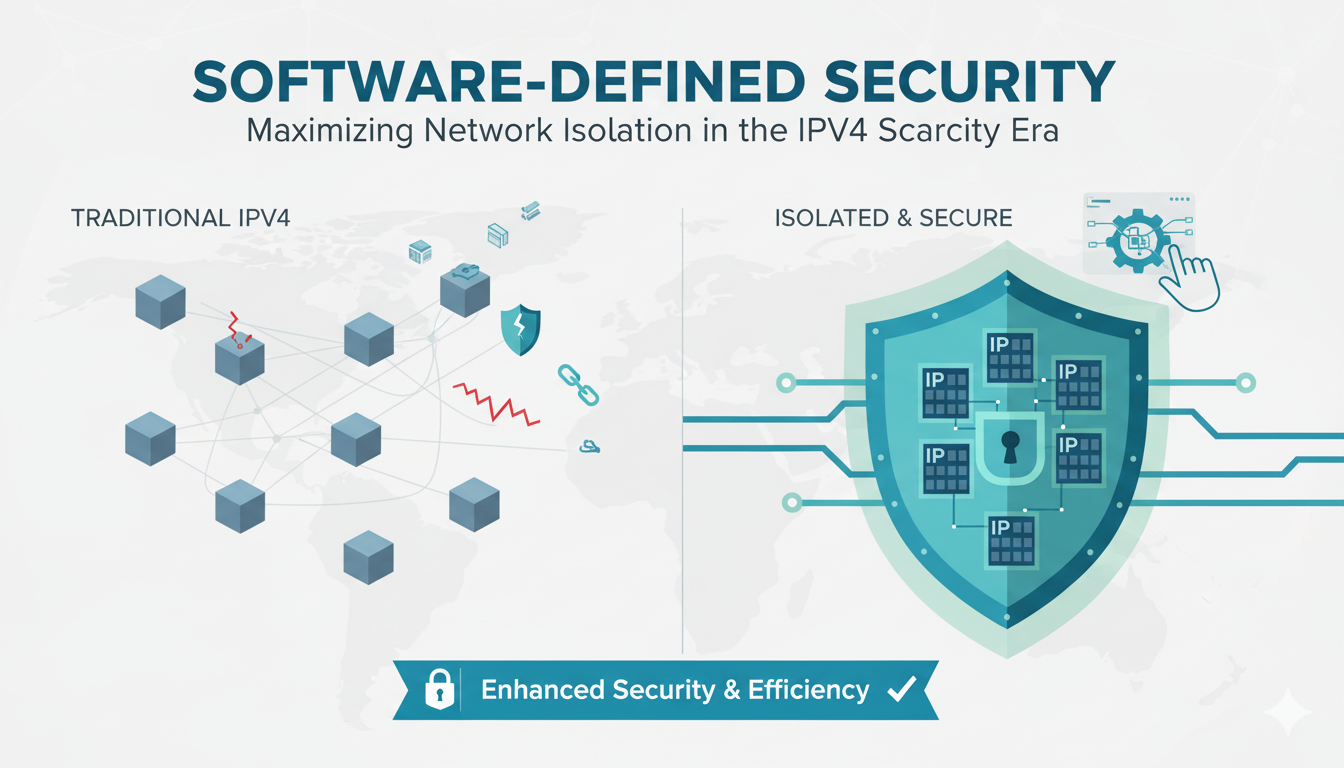
As CEO of InterLIR, I’ve witnessed firsthand how network isolation strategies

What is an ASN? ASN stands for Autonomous System Number. It is a unique identifier

Anycast DNS: A Leader’s Guide to Protecting Your Digital Infrastructure Executive

RPKI Certification: A Leader’s Guide to Internet Routing Security Executive

Executive Summary: What You Need to Know 🎯 Strategic Importance – Internet

When AWS DynamoDB failed in October 2025, thousands of businesses discovered that

Executive Summary: What You Need to Know 🎯 IP reputation directly impacts your
Live chat is provided by Intercom and is loaded only after you enable it. You can also contact us without enabling the chat.