In the vast and intricate world of computer networking, the Open Systems Interconnection (OSI) model stands as a fundamental blueprint that outlines the complex process of data transmission through seven distinct layers. Developed by the International Organization for Standardization (ISO) in 1984, the OSI model has played a pivotal role in streamlining and standardizing network communication, ensuring that devices with diverse internal structures and technologies can communicate seamlessly.

The summit of the OSI model is the Application Layer, the interface between network services and end-user applications. This layer provides essential services such as email, file transfers, and web browsing, translating user actions into network operations. For instance, when you access a website, your web browser operates at this layer, converting your interactions into HTTP requests to retrieve web content.
The Presentation Layer is like a translator, ensuring that data transferred from one system to another is in a readable and understandable format. It is responsible for data encryption, compression, and translation. A typical scenario involves streaming a video online, where this layer compresses the data for efficient network transfer.
This layer is akin to a conductor, orchestrating communication sessions between devices. It establishes, maintains, and terminates connections, ensuring communication stability and proper data exchange. In applications like video conferencing, the Session Layer manages the controls and reconnections, ensuring a smooth user experience.
At the heart of the OSI model lies the Transport Layer, responsible for the reliable transmission of data across the network. It segments data into smaller packets, ensuring they are transmitted and reassembled correctly at the destination. An example of this is sending an email, where the layer ensures all parts of your attachment reach the recipient accurately.
The Network Layer is the navigator, determining the best path for data to travel across networks. Utilizing IP addressing, this layer routes packets from the source to the destination, irrespective of the underlying network type. An example is the journey of a data packet from your device to a remote server across the internet.
Serving as the bridge, the Data Link Layer ensures data integrity between two directly connected nodes. It deals with MAC addresses and error detection, providing a reliable link for data transfer. When connecting to Wi-Fi, this layer frames your data, ensuring it’s correctly communicated over the network.
The foundation of the OSI model, the Physical Layer, is concerned with the transmission of raw data bits over physical mediums like cables, fiber optics, or radio waves. This layer encompasses all hardware elements involved in signal transmission, such as plugging an Ethernet cable to connect your computer to the network.
Understanding the OSI model demystifies the complexities of network communication, segmenting it into manageable layers each with a specific role. Although originally a theoretical framework, the OSI model has become an indispensable tool in the design, implementation, and troubleshooting of networks, serving as a universal language for network professionals worldwide.
By dissecting each layer and examining its functionality, we gain a clearer picture of how data travels through a network, ensuring reliable, efficient, and secure communication across an increasingly interconnected digital world. Whether sending emails, streaming content, or simply browsing the web, the OSI model underpins the seamless and integrated nature of modern networked communication.

Evgeny Sevastyanov
Client Support Teamleader

A Beginner’s Guide to Subnetting IPv4 and IPv6 Addresses Subnetting is a critical

Why IPv4 Leasing Is Becoming the Smart Choice for Businesses in 2025 1. Introduction
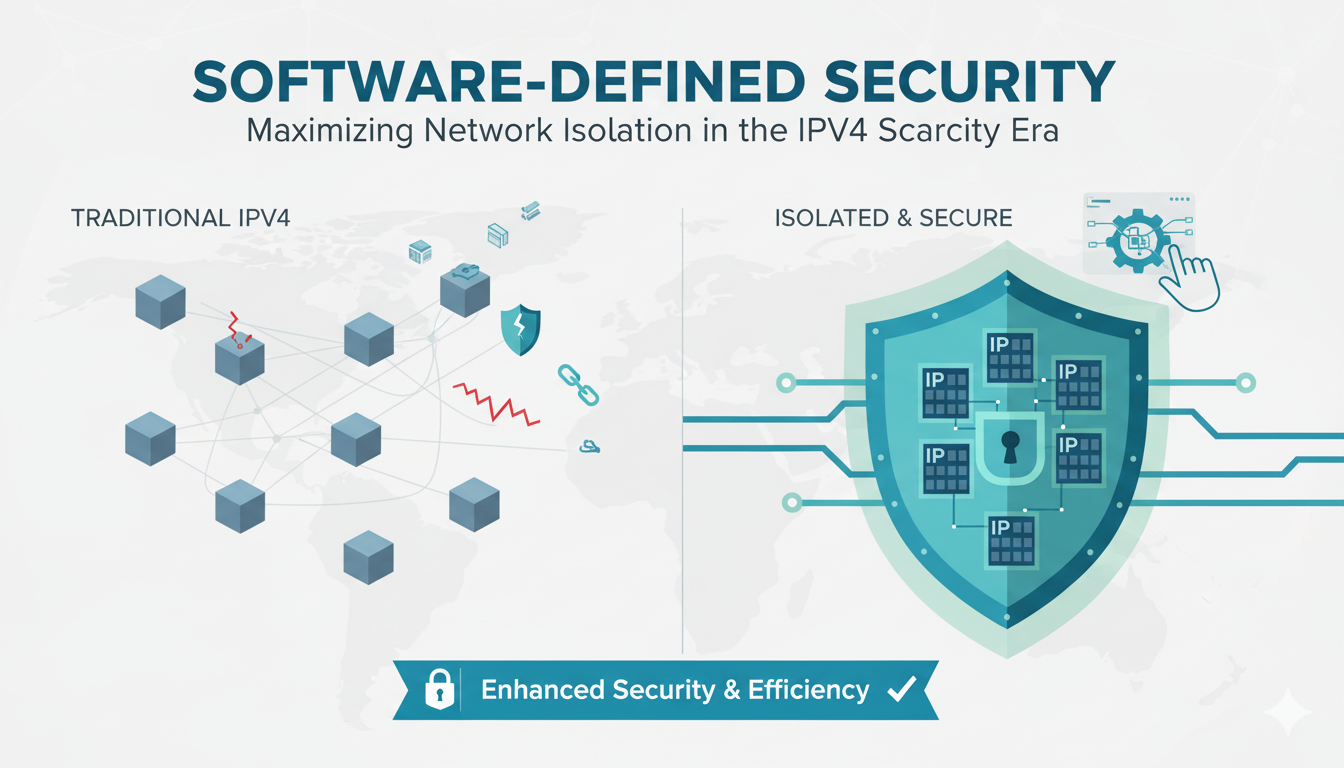
As CEO of InterLIR, I’ve witnessed firsthand how network isolation strategies

What is an ASN? ASN stands for Autonomous System Number. It is a unique identifier

Anycast DNS: A Leader’s Guide to Protecting Your Digital Infrastructure Executive

RPKI Certification: A Leader’s Guide to Internet Routing Security Executive

Executive Summary: What You Need to Know 🎯 Strategic Importance – Internet

When AWS DynamoDB failed in October 2025, thousands of businesses discovered that

Executive Summary: What You Need to Know 🎯 IP reputation directly impacts your
Live chat is provided by Intercom and is loaded only after you enable it. You can also contact us without enabling the chat.