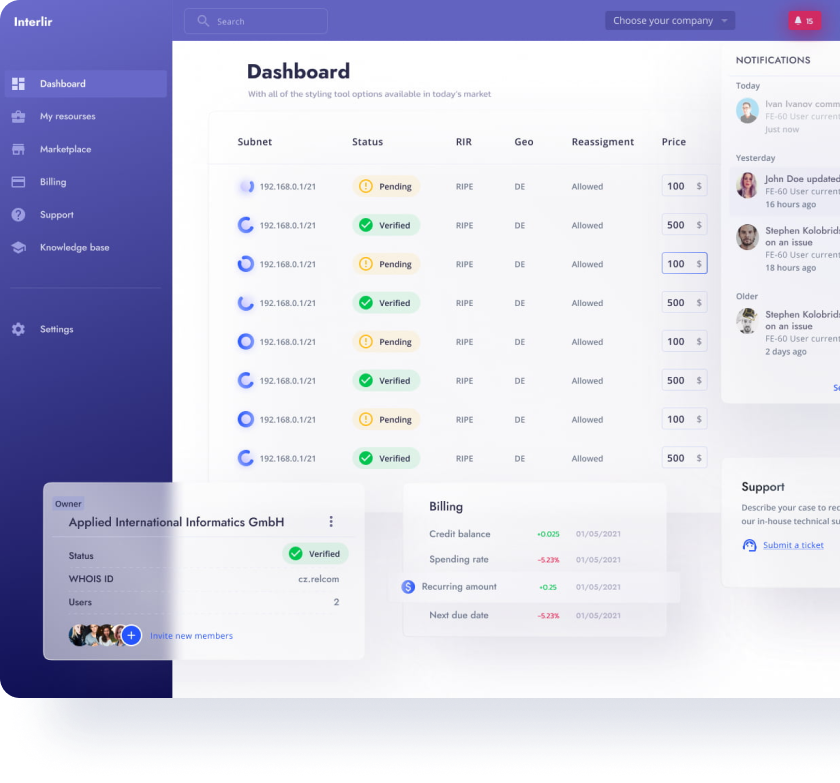
The global scarcity of IPv4 addresses has led to a vibrant secondary market, where businesses and organizations negotiate the purchase and sale of these increasingly valuable resources. Navigating this market can be complex, but with the right approach, you can acquire IPv4 addresses to support your network’s growth and digital initiatives. This guide offers practical strategies for buyers in the IPv4 market, ensuring you make informed decisions and secure addresses at the best possible terms.

Before diving into the purchasing process, it’s crucial to understand the IPv4 market’s dynamics. Prices and availability vary significantly by region, influenced by demand, regulatory conditions, and the pace of IPv6 adoption. Engaging with a reputable IPv4 broker can provide insights into current trends and help you navigate market complexities.
| Factor | Description |
| Regional Demand | Higher demand in a region increases prices. |
| Regulatory Conditions | RIR policies can affect transferability and availability. |
| IPv6 Adoption | Regions slower to adopt IPv6 may see higher IPv4 prices. |
| Market Speculation | Prices can fluctuate based on speculative buying and selling. |
Start by getting a grasp of the IPv4 landscape. Research current price trends, understand regional differences, and note the availability of address blocks. Consultation with IPv4 market experts or brokers can provide valuable market insights and guide your purchasing strategy.
Ensure the IPv4 addresses you’re interested in are free from issues such as blacklisting or reputational damage. A thorough verification will save you from future operational headaches like routing problems or spam blacklists.
Each Regional Internet Registry (RIR) has its own set of policies for IPv4 address transfers. Familiarize yourself with the relevant procedures to ensure a smooth and compliant transaction. This understanding will also help you anticipate potential delays or documentation requirements.
Evaluate how the IPv4 purchase fits into your broader network and business strategies. Consider the long-term shift towards IPv6 and how the IPv4 addresses will serve your needs until you can transition.
Be aware of additional costs beyond the purchase price. These include RIR transfer fees and annual membership dues, which can vary depending on the size of the address block and your organization’s status within the RIR.
Armed with market knowledge and clear requirements, engage in negotiations. Be prepared to move quickly, as the competitive market can lead to fast changes in availability and pricing.
Consider hiring an experienced IP broker to navigate the market complexities. They can assist with finding sellers, negotiating prices, and ensuring the transfer complies with all regulatory requirements.
Purchasing IPv4 addresses in today’s market requires a strategic approach. By understanding market dynamics, verifying address quality, and preparing for the purchase, you can navigate the IPv4 market effectively. Remember, while the transition to IPv6 is the future, IPv4 addresses remain a critical resource for many networks today. Proper planning and expert advice can make the acquisition process smoother and more cost-effective, ensuring your network’s growth and sustainability.

Alexander Timokhin
COO

A Beginner’s Guide to Subnetting IPv4 and IPv6 Addresses Subnetting is a critical

Why IPv4 Leasing Is Becoming the Smart Choice for Businesses in 2025 1. Introduction
As CEO of InterLIR, I’ve witnessed firsthand how network isolation strategies

What is an ASN? ASN stands for Autonomous System Number. It is a unique identifier

Anycast DNS: A Leader’s Guide to Protecting Your Digital Infrastructure Executive

RPKI Certification: A Leader’s Guide to Internet Routing Security Executive

Executive Summary: What You Need to Know 🎯 Strategic Importance – Internet

When AWS DynamoDB failed in October 2025, thousands of businesses discovered that

Executive Summary: What You Need to Know 🎯 IP reputation directly impacts your
Live chat is provided by Intercom and is loaded only after you enable it. You can also contact us without enabling the chat.