In today’s interconnected world, efficient IP address design is critical for the scalability, performance, and stability of your network. A well-planned IP addressing scheme can greatly impact network management and operational efficiency.

VLSM allows for the flexible allocation of IP addresses within a network by varying the subnet mask length. This optimizes the use of IP address space, enabling you to create subnets of different sizes according to actual needs, rather than being restricted by fixed subnet sizes. By implementing VLSM, you can efficiently utilize IP address space, especially for hosts and subnets with varying size requirements.
Route summarization, also known as route aggregation, is a method to reduce the size of routing tables, thus enhancing network performance and stability. By summarizing a group of routes into a single advertisement, you can significantly decrease routing protocol overhead and latency associated with routing table lookups. This not only simplifies the network’s routing structure but also improves routing efficiency.
A hierarchical, structured, and modular IP addressing scheme is essential for effective network design. It supports dynamic routing protocols such as RIPv2, EIGRP, OSPF, or BGP, facilitating easier management and scalability. Hierarchical addressing helps in creating shorter Access Control Lists (ACLs), reducing router overhead, and improving routing protocol convergence.
Plan your IP addresses hierarchically and structurally to enable effective summarization and optimize network performance. A well-designed addressing scheme is crucial for network segmentation and simplification, leading to improved efficiency and easier expansion in the future.
Allocate IP addresses by subnetting where appropriate and choose contiguous address blocks to enhance network design and utilization. This practice ensures a neat and organized address space, essential for maintaining a clear and efficient network infrastructure.
With the growing limitations of IPv4 address space, transitioning to IPv6 can offer improved network performance, scalability, and security. IPv6 provides a vast address space and introduces several enhancements, including simplified header structure and improved multicasting, contributing to a faster and more efficient network.
Incorporate the following practical tips and considerations into your IP address design strategy:
Here’s a table summarizing the benefits of each IP address design tip:
| Design Tip | Benefits |
| Variable-Length Subnet Masking | Optimizes IP address space, reduces waste |
| Route Summarization | Decreases routing table size, improves performance |
| Hierarchical Addressing | Enhances network scalability, supports dynamic routing |
| Address Planning | Facilitates easier network management and expansion |
| Efficient Allocation | Ensures neat and efficient use of address space |
| IPv6 Adoption | Offers vast address space, improves security and performance |
Efficient IP address design is not just about conserving numbers; it’s about creating a scalable, manageable, and stable network environment. By implementing these design tips, you can ensure that your network is equipped to handle current demands and future growth. Whether you’re just starting out or looking to improve an existing network, these strategies will help you develop a more efficient, organized, and robust IP addressing scheme.

Alexey Shkittin
CEO

A Beginner’s Guide to Subnetting IPv4 and IPv6 Addresses Subnetting is a critical

Why IPv4 Leasing Is Becoming the Smart Choice for Businesses in 2025 1. Introduction
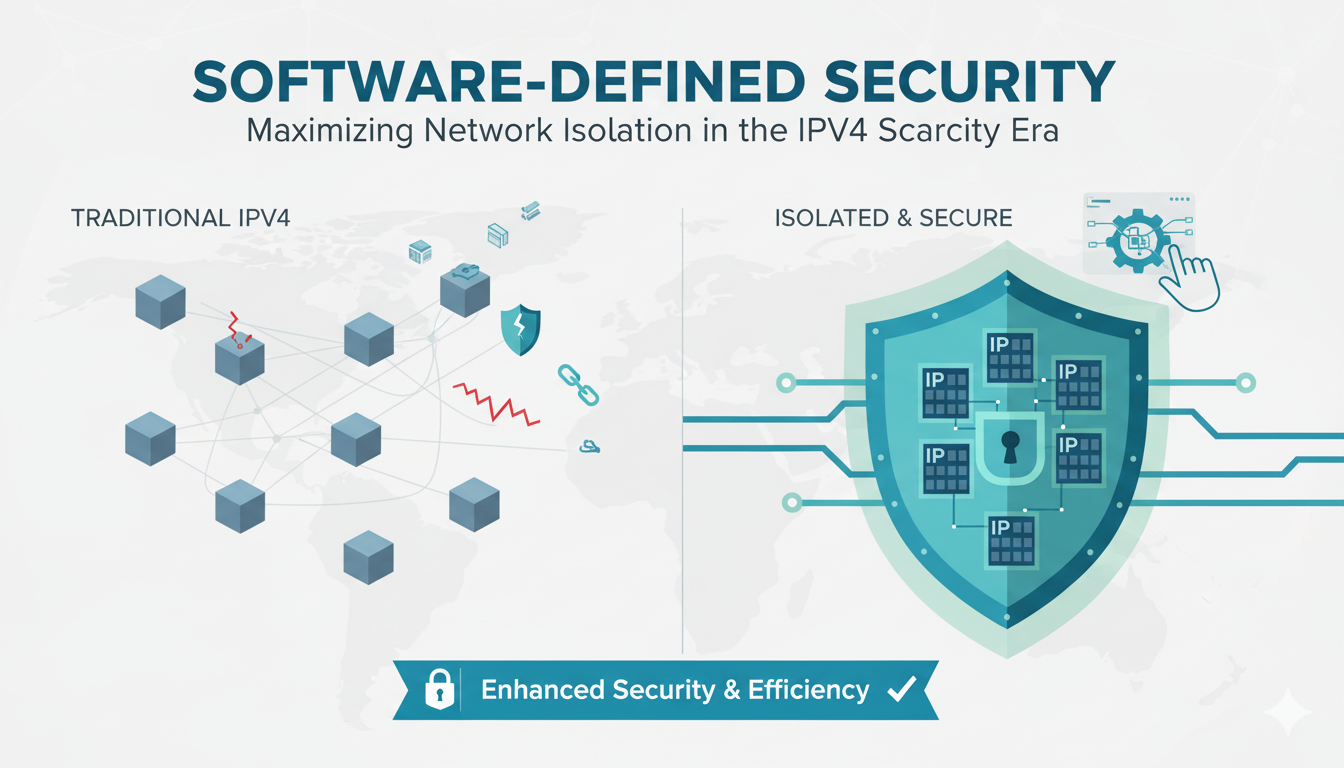
As CEO of InterLIR, I’ve witnessed firsthand how network isolation strategies

What is an ASN? ASN stands for Autonomous System Number. It is a unique identifier

Anycast DNS: A Leader’s Guide to Protecting Your Digital Infrastructure Executive

RPKI Certification: A Leader’s Guide to Internet Routing Security Executive

Executive Summary: What You Need to Know 🎯 Strategic Importance – Internet

When AWS DynamoDB failed in October 2025, thousands of businesses discovered that

Executive Summary: What You Need to Know 🎯 IP reputation directly impacts your
Live chat is provided by Intercom and is loaded only after you enable it. You can also contact us without enabling the chat.