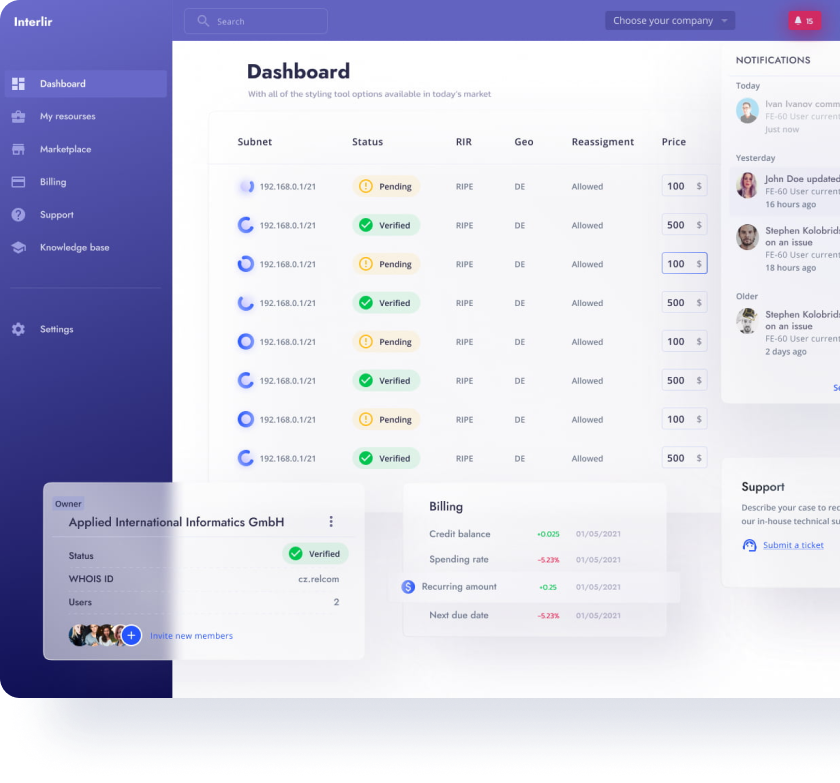
In the digital age, the importance of Internet Protocol version 4 (IPv4) addresses for network connectivity and online presence cannot be overstated. However, with the depletion of available IPv4 addresses, organizations face challenges in scaling their network infrastructure. While purchasing IPv4 addresses is an option, the cost implications are significant, leading many to consider IPv4 leasing as a cost-effective alternative.

IPv4 leasing offers organizations the opportunity to use IP addresses temporarily without the high upfront cost of purchasing. In 2022, the average lease price per IPv4 address ranged from $0.50 to $0.59, significantly lower than buying prices, making leasing an attractive option for those needing a short-term solution.
| Aspect | IPv4 Leasing | IPv4 Buying |
| Cost | $0.50 – $0.59 per address (2022) | Significantly higher upfront cost |
| Flexibility | High (scale up or down as needed) | Low (fixed number of addresses) |
| Acquisition Ease | Easier (less paperwork) | More complex (more paperwork) |
| Ownership | No (limited control) | Yes (full control) |
| Renewal Costs | Yes (regular renewal required) | No (one-time purchase) |
However, it’s essential to note that leasing does not grant ownership, meaning you have limited control over the addresses and face ongoing renewal costs.
When considering IPv4 leasing, it’s crucial to evaluate your organization’s needs. Here are strategies to ensure cost-effective leasing:
When choosing a provider, consider the following:
IPv4 leasing presents a viable, cost-effective solution for organizations seeking temporary or scalable network solutions. By understanding the leasing market, assessing your organization’s needs, and selecting the right provider, you can enjoy the benefits of IPv4 addresses without the substantial investment required to purchase them outright. As the digital landscape evolves, flexible and strategic use of IPv4 resources will remain a critical component of network management and expansion.

Alexander Timokhin
COO

A Beginner’s Guide to Subnetting IPv4 and IPv6 Addresses Subnetting is a critical

Why IPv4 Leasing Is Becoming the Smart Choice for Businesses in 2025 1. Introduction
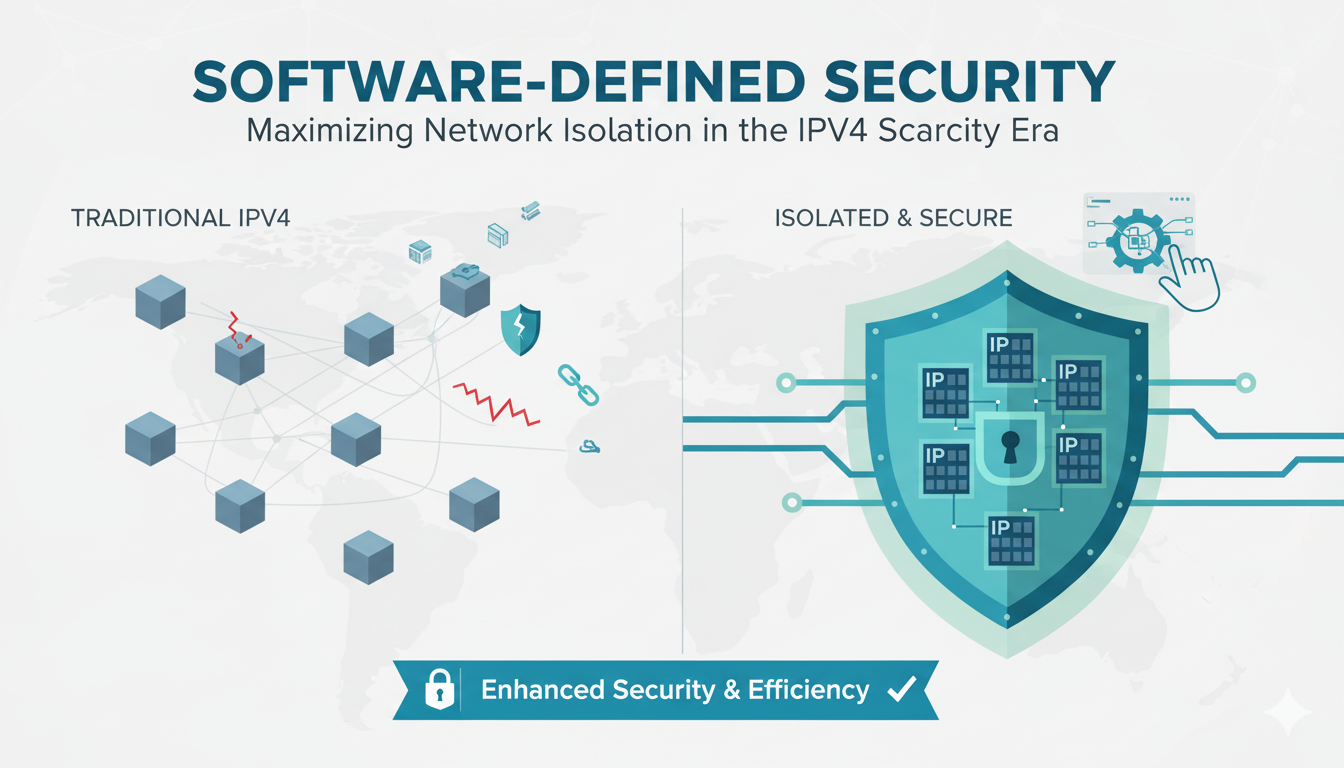
As CEO of InterLIR, I’ve witnessed firsthand how network isolation strategies

What is an ASN? ASN stands for Autonomous System Number. It is a unique identifier

Anycast DNS: A Leader’s Guide to Protecting Your Digital Infrastructure Executive

RPKI Certification: A Leader’s Guide to Internet Routing Security Executive

Executive Summary: What You Need to Know 🎯 Strategic Importance – Internet

When AWS DynamoDB failed in October 2025, thousands of businesses discovered that

Executive Summary: What You Need to Know 🎯 IP reputation directly impacts your
Live chat is provided by Intercom and is loaded only after you enable it. You can also contact us without enabling the chat.