In the vast and interconnected world of the Internet, IP addresses serve as the backbone for online communication, ensuring that data packets find their way to the correct destination. However, not all IP addresses are destined for the public eye. Enter the realm of reserved IP addresses, a critical component of network management and security. These special-purpose addresses are set aside for specific uses and are not routable on the public Internet. This article delves into the various types of reserved IP addresses, their purposes, and the rationale behind their existence.

Reserved IP addresses are designated by the Internet Assigned Numbers Authority (IANA) for tasks that are essential for the efficient and secure functioning of IP networks. These addresses are not part of the pool used for assignment to individuals or organizations, ensuring that they serve their intended special functions without interference. The primary categories of reserved IP addresses include private addresses, loopback addresses, multicast addresses, and link-local addresses, each serving distinct roles within the network infrastructure.
Reserved IP addresses play a pivotal role in network management and the delivery of services. They ensure that networks operate smoothly by facilitating internal communication, testing, device configuration, and multicast broadcasting. Moreover, private IP addresses allow for the conservation of the global IPv4 address space, delaying its exhaustion by enabling the reuse of addresses within separate networks.
When configuring a network, selecting the appropriate reserved IP range depends on the network’s size, the number of devices, and the specific requirements of the organization. Large networks might opt for Class A private addresses, while smaller networks could find Class C addresses sufficient.
| Category | Purpose | Example Range |
| Private IP | LAN communication | 10.0.0.0/8 |
| Loopback | Host’s self-address | 127.0.0.0/8 |
| Multicast | Group communication | 224.0.0.0/4 |
| Link-local | Automatic network segment communication | 169.254.0.0/16 |
Reserved IP addresses are a cornerstone of network design, providing the necessary groundwork for private communication, testing, and special functions within IP networks. Understanding the purpose and application of these special addresses is essential for network administrators and IT professionals. As the digital landscape continues to evolve, the strategic use of reserved IP addresses will remain a critical factor in maintaining the integrity and efficiency of our interconnected world.

Alexei Krylov Nikiforov
Sales manager

A Beginner’s Guide to Subnetting IPv4 and IPv6 Addresses Subnetting is a critical

Why IPv4 Leasing Is Becoming the Smart Choice for Businesses in 2025 1. Introduction
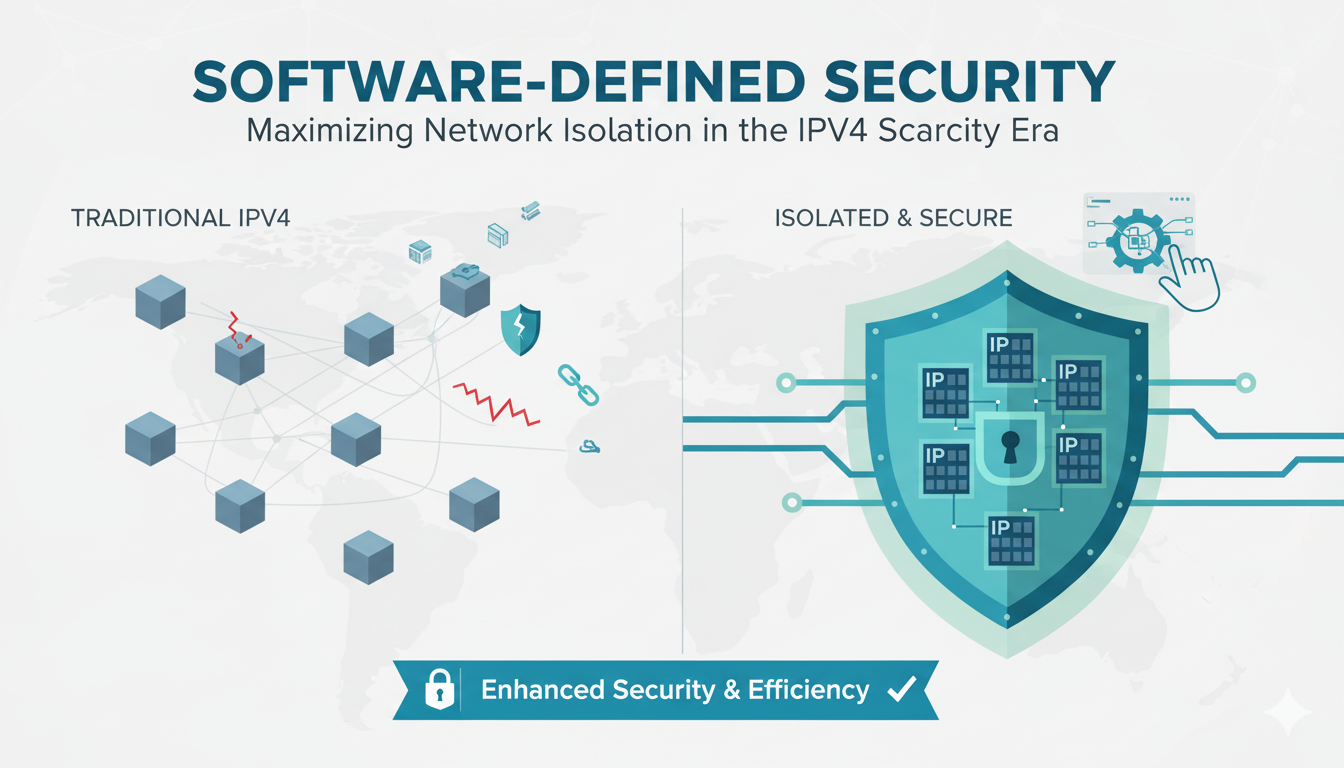
As CEO of InterLIR, I’ve witnessed firsthand how network isolation strategies

What is an ASN? ASN stands for Autonomous System Number. It is a unique identifier

Anycast DNS: A Leader’s Guide to Protecting Your Digital Infrastructure Executive

RPKI Certification: A Leader’s Guide to Internet Routing Security Executive

Executive Summary: What You Need to Know 🎯 Strategic Importance – Internet

When AWS DynamoDB failed in October 2025, thousands of businesses discovered that

Executive Summary: What You Need to Know 🎯 IP reputation directly impacts your
Live chat is provided by Intercom and is loaded only after you enable it. You can also contact us without enabling the chat.