In the digital era, where privacy concerns and access restrictions are ever-growing, proxy servers play a pivotal role in navigating the complex web landscape. Proxy servers act as intermediaries between users and the internet, offering anonymity, security, and even access to restricted content. With various types of proxy servers available, each serving different purposes, it’s essential to understand their functionalities to select the right type for your needs.

Residential Proxies derive their IP addresses from Internet Service Providers (ISP), making them appear as if a regular user is accessing the internet. They are highly secure and less likely to be flagged or blocked due to their legitimate appearance.
Datacenter Proxies are provided by data centers. They are not associated with ISPs but are known for their speed and efficiency. However, they might be more susceptible to being detected and blocked due to their synthetic origin.
| Type | Source | Anonymity | Speed | Cost |
| Residential | ISP | High | Moderate | Higher |
| Datacenter | Data Centers | Lower | High | Lower |
Mobile Proxies are assigned by Mobile Network Operators (MNO) and offer dynamic IP addresses. They are extremely hard to detect and block due to their changing nature, making them ideal for tasks requiring high anonymity.
Forward Proxies are positioned in front of clients, managing outbound requests to the internet. They are useful for bypassing geo-restrictions and enhancing user privacy.
Reverse Proxies sit in front of web servers, handling inbound requests from the internet. They offer benefits like load balancing, caching, and SSL encryption to optimize and secure websites.
| Type | Position | Primary Function | Load Balancing | Caching |
| Forward | In front of clients | Privacy and access | No | Yes |
| Reverse | In front of servers | Optimization and security | Yes | Yes |
Static Proxies maintain the same IP address for all sessions, offering stability but a higher risk of detection and blocking.
Rotating Proxies change IP addresses with each request or at regular intervals, significantly enhancing security and reducing the risk of being blocked.
| Type | Security | Stability | Cost |
| Static | Lower | Higher | Higher |
| Rotating | Higher | Lower | Lower |
Private Proxies are dedicated to a single user, offering complete control, high speed, and security but at a higher cost.
Shared Proxies are used by multiple users simultaneously, balancing cost and efficiency but with a higher risk of being detected.
Public Proxies are free and accessible by anyone, offering a cost-effective solution but with lower speed and security.
| Type | Speed | Security | Cost |
| Private | High | High | High |
| Shared | Moderate | Moderate | Moderate |
| Public | Low | Low | Free |
Elite Proxies offer the highest level of anonymity, hiding users’ real IP addresses without revealing proxy use.
Anonymous Proxies mask the user’s IP address but disclose that a proxy is being used, offering a balance between anonymity and functionality.
Transparent Proxies do not hide the user’s IP address or the use of a proxy, often used for caching or controlling network traffic.
| Type | Anonymity | Proxy Disclosure | Use Case |
| Elite | High | No | Maximum privacy |
| Anonymous | Moderate | Yes | Balanced security |
| Transparent | None | Yes | Network management |
HTTP Proxies are designed specifically for web browsing, capable of interpreting and caching data for faster access.
SOCKS Proxies, including SOCKS4 and SOCKS5, handle all types of internet traffic, offering a more versatile solution without data interpretation.
| Protocol | Functionality | Data Interpretation | Use Case |
| HTTP | Web browsing | Yes | Accessing web content |
| SOCKS | General internet traffic | No | General purposes |
Choosing the right proxy server depends on your specific needs, whether it’s enhancing security, accessing restricted content, or managing network traffic. By understanding the various types of proxy servers and their unique attributes, you can make an informed decision that best suits your requirements.

Evgeny Sevastyanov
Client Support Teamleader

A Beginner’s Guide to Subnetting IPv4 and IPv6 Addresses Subnetting is a critical

Why IPv4 Leasing Is Becoming the Smart Choice for Businesses in 2025 1. Introduction
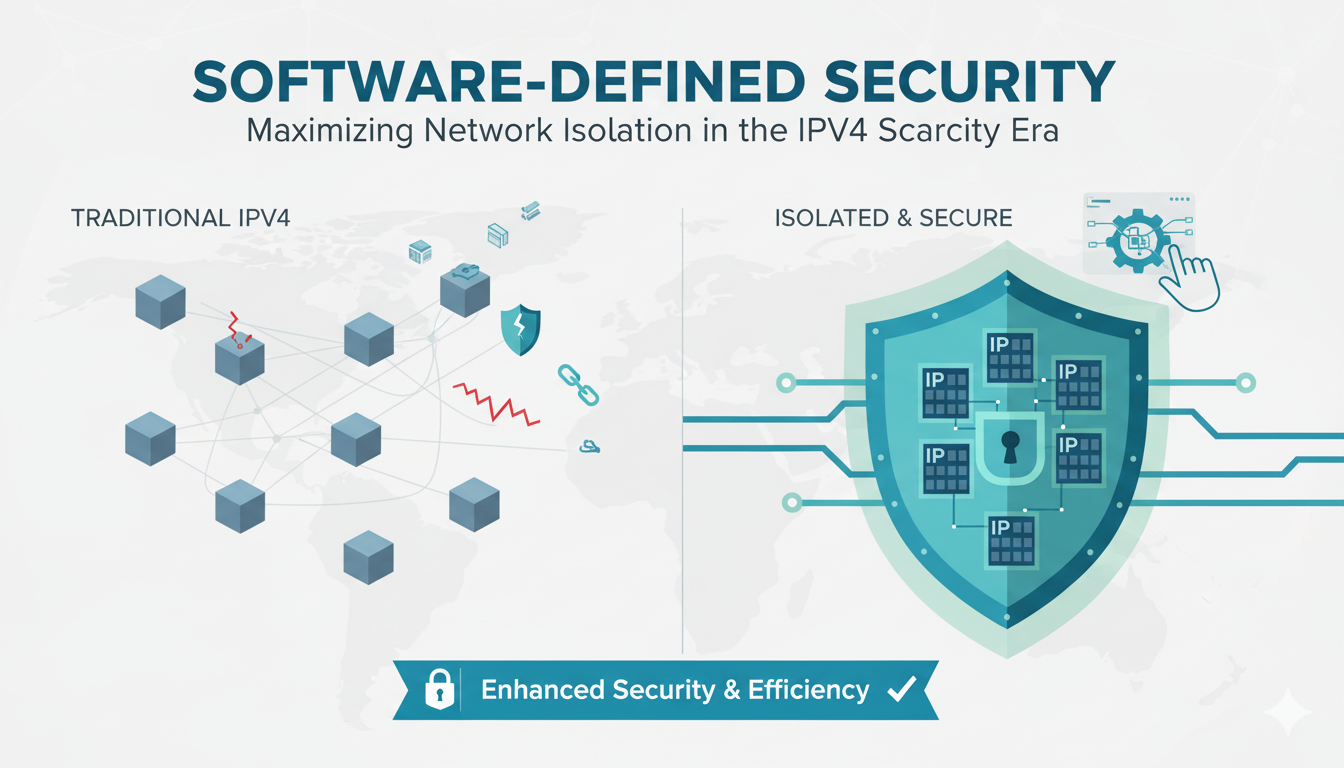
As CEO of InterLIR, I’ve witnessed firsthand how network isolation strategies

What is an ASN? ASN stands for Autonomous System Number. It is a unique identifier

Anycast DNS: A Leader’s Guide to Protecting Your Digital Infrastructure Executive

RPKI Certification: A Leader’s Guide to Internet Routing Security Executive

Executive Summary: What You Need to Know 🎯 Strategic Importance – Internet

When AWS DynamoDB failed in October 2025, thousands of businesses discovered that

Executive Summary: What You Need to Know 🎯 IP reputation directly impacts your
Live chat is provided by Intercom and is loaded only after you enable it. You can also contact us without enabling the chat.