ARP stands for Address Resolution Protocol, a fundamental protocol used in local area networking. Its primary function is to map a known Internet Protocol (IP) address to a machine’s unknown Media Access Control (MAC) address in a local network. This mapping is critical for the functioning of Ethernet networks, as it allows devices to communicate effectively.

When a device on a local network needs to communicate with another device, it uses ARP to find the MAC address associated with the intended IP address. If the MAC address is unknown, an ARP request is broadcasted across the network. The device with the matching IP address responds with its MAC address, which is then stored in the ARP table of the requesting device for future reference.
An ARP packet is composed of various fields, each playing a specific role:
| Feature | ARP | DNS |
| Function | Maps IP addresses to MAC addresses | Translates domain names to IP addresses |
| Network Layer | Data link layer (Layer 2) | Application layer (Layer 7) |
| Scope | Local network communication | Global, internet-wide communication |
The ARP table is a data structure that stores mappings between IP addresses and MAC addresses. It is updated through receiving ARP replies, periodic refreshes, manual modifications, and entry timeouts. The efficiency of the ARP table is crucial for smooth network operations.
When an ARP table is full, it can lead to network issues like the inability to add new entries. To manage this, older or less frequently used entries may be removed, or the table can be manually modified by network administrators.
Understanding ARP is fundamental for network administrators and IT professionals. It plays a vital role in the functionality of Ethernet networks, ensuring devices can communicate efficiently within a local network. As a newcomer, grasping the basics of ARP, how it works, and how to manage it effectively is a crucial step in mastering network management.

Evgeny Sevastyanov
Client Support Teamleader

A Beginner’s Guide to Subnetting IPv4 and IPv6 Addresses Subnetting is a critical

Why IPv4 Leasing Is Becoming the Smart Choice for Businesses in 2025 1. Introduction
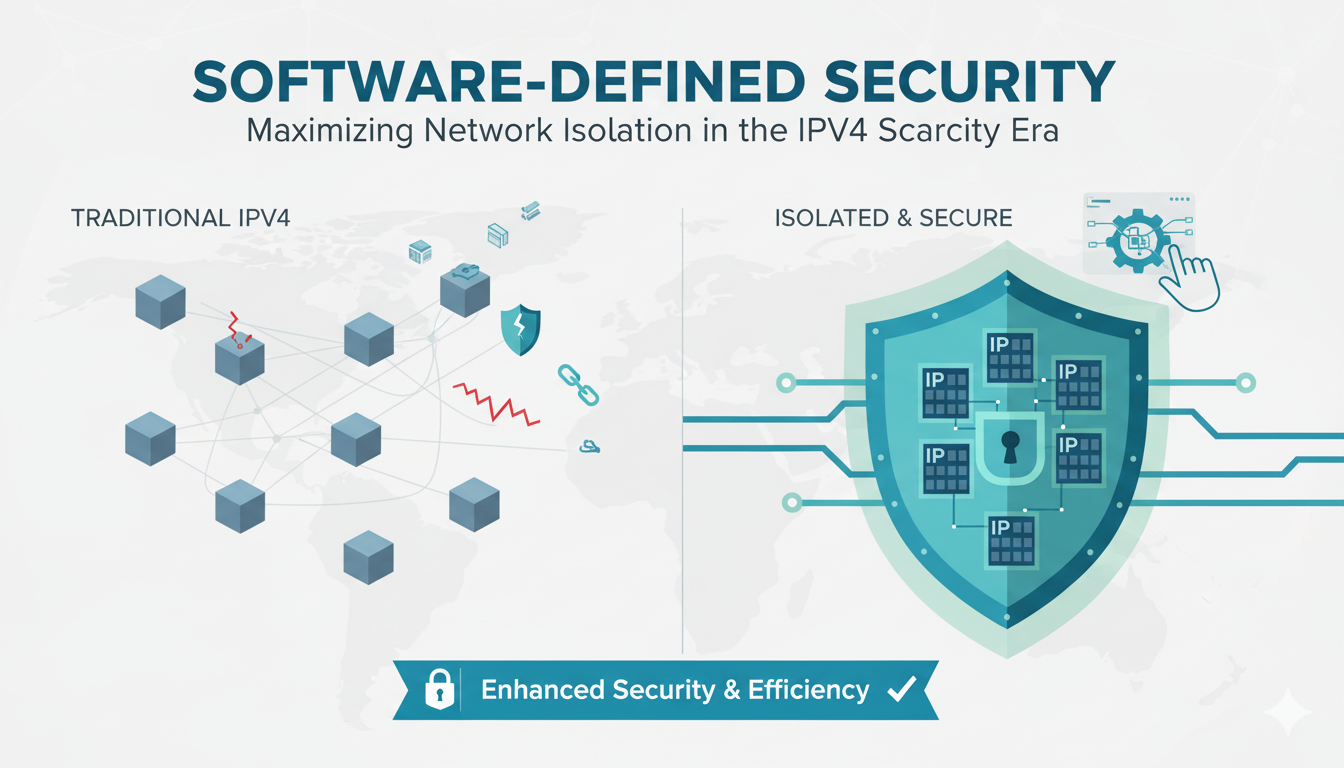
As CEO of InterLIR, I’ve witnessed firsthand how network isolation strategies

What is an ASN? ASN stands for Autonomous System Number. It is a unique identifier

Anycast DNS: A Leader’s Guide to Protecting Your Digital Infrastructure Executive

RPKI Certification: A Leader’s Guide to Internet Routing Security Executive

Executive Summary: What You Need to Know 🎯 Strategic Importance – Internet

When AWS DynamoDB failed in October 2025, thousands of businesses discovered that

Executive Summary: What You Need to Know 🎯 IP reputation directly impacts your
Live chat is provided by Intercom and is loaded only after you enable it. You can also contact us without enabling the chat.