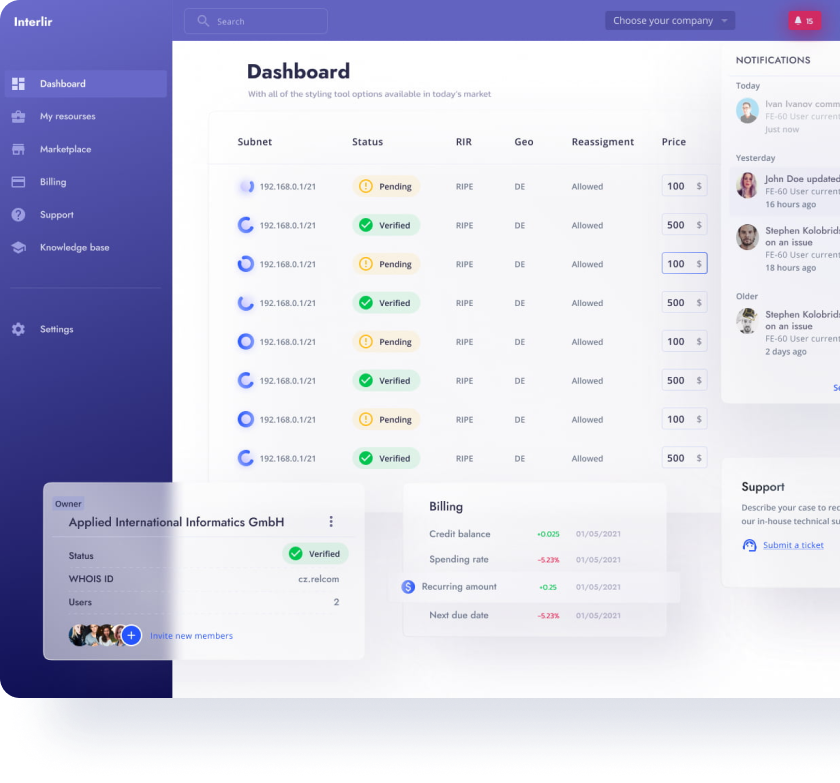
In the realm of digital networking, IPv4 (Internet Protocol version 4) addresses are a valuable commodity. With the exhaustion of IPv4 addresses globally, businesses holding surplus IPv4 assets are in a unique position to generate significant revenue.

IPv4 addresses are finite and were mostly distributed before the internet’s exponential growth. This scarcity has driven up their market value, turning unused IPv4 addresses into potential revenue sources for businesses.
Businesses can opt to sell their unused IPv4 addresses, transferring ownership to a new buyer. This approach provides a large lump sum payment immediately, which can be used to fund various initiatives within the company.
An alternative to outright selling is leasing out unused IPv4 blocks. This strategy generates a sustainable income stream while allowing IP holders to retain ownership and control over the addresses.
| Strategy | Selling | Leasing |
| Revenue Type | Lump Sum | Sustainable Income |
| Ownership | Transferred | Retained |
| Best for | Immediate Large Capital | Long-term Revenue Stream |
Before entering the market, it’s crucial to assess the value and potential of your IPv4 resources. This step helps in understanding the financial implications of selling or leasing your assets.
Navigating the complexities of IP address transfers requires legal expertise. Engaging legal counsel ensures compliance with relevant laws and regulations, protecting your business from potential legal issues.
Selecting a reputable IPv4 marketplace or broker is essential. They facilitate connections between buyers and sellers and help streamline the transaction process.
Effective negotiation maximizes the value of your IPv4 addresses. It’s crucial to discuss terms, pricing, and logistics thoroughly before finalizing the deal.
Determining the best time to sell surplus IPv4 assets involves several factors:
To minimize legal risks:
Valuing surplus IPv4 assets involves:
When negotiating sales contracts, consider:
Maximizing revenue from surplus IPv4 assets requires a strategic approach. By understanding the market, engaging with experts, and carefully considering legal and regulatory factors, businesses can effectively monetize these valuable digital resources. This not only provides financial benefits but also contributes to the efficient utilization of IPv4 resources in the global digital ecosystem.

Evgeny Sevastyanov
Client Support Teamleader

A Beginner’s Guide to Subnetting IPv4 and IPv6 Addresses Subnetting is a critical

Why IPv4 Leasing Is Becoming the Smart Choice for Businesses in 2025 1. Introduction
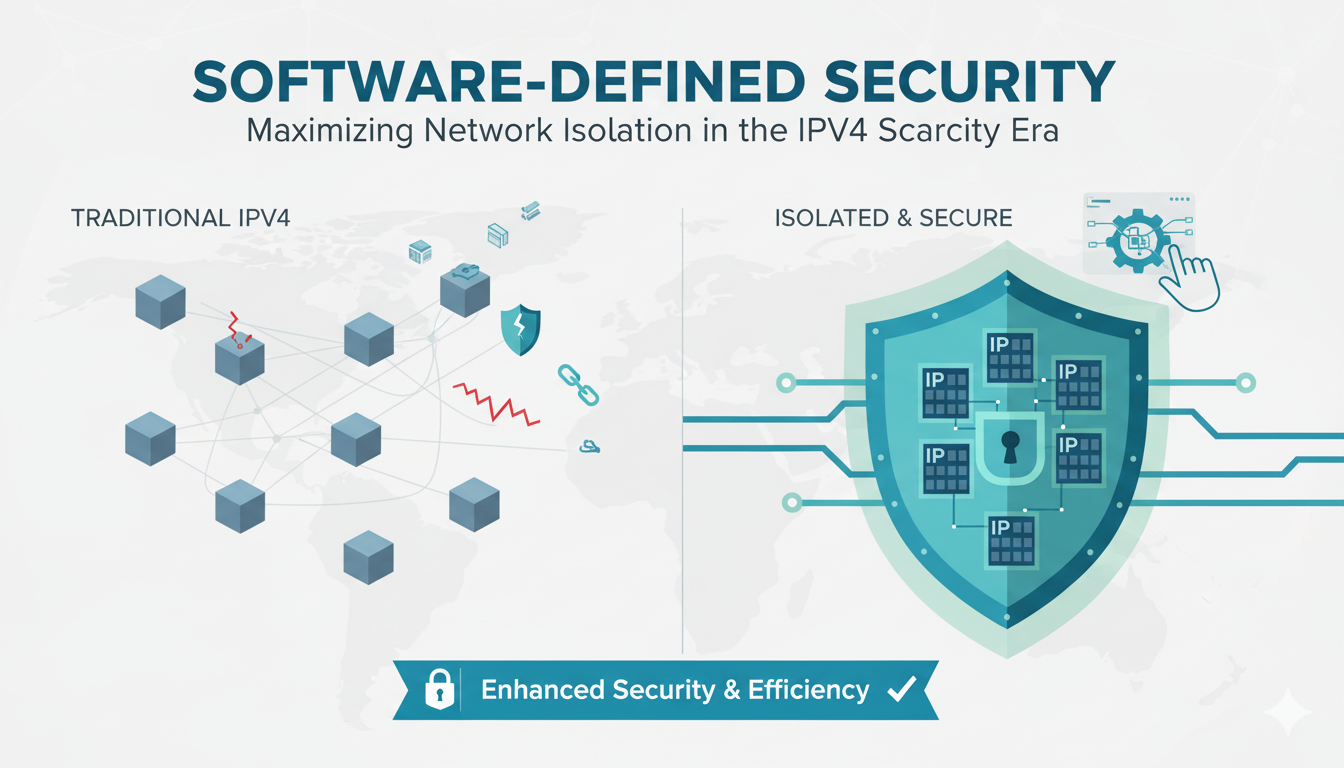
As CEO of InterLIR, I’ve witnessed firsthand how network isolation strategies

What is an ASN? ASN stands for Autonomous System Number. It is a unique identifier

Anycast DNS: A Leader’s Guide to Protecting Your Digital Infrastructure Executive

RPKI Certification: A Leader’s Guide to Internet Routing Security Executive

Executive Summary: What You Need to Know 🎯 Strategic Importance – Internet

When AWS DynamoDB failed in October 2025, thousands of businesses discovered that

Executive Summary: What You Need to Know 🎯 IP reputation directly impacts your
Live chat is provided by Intercom and is loaded only after you enable it. You can also contact us without enabling the chat.