IP address abuse encompasses various malicious activities, such as spamming, phishing, malware distribution, and botnet involvement. These actions not only disrupt communication but also tarnish a business’s credibility.

IP address abuse can manifest in several ways:
Continuous monitoring of IP addresses is crucial. Regular checks can uncover any abusive activities linked to your IP addresses, enabling timely interventions.
Implementing authentication mechanisms like DKIM (DomainKeys Identified Mail), SPF (Sender Policy Framework), and DMARC (Domain-based Message Authentication, Reporting, and Conformance) can significantly enhance the security of your IP addresses.
Keeping your software and firmware updated minimizes vulnerabilities that malicious actors could exploit.
Regular analysis of server logs and tracking email bounces can provide early warning signs of IP address abuse.
Partnering with reputable providers like InterLIR ensures thorough screening and monitoring of counterparties, reducing the risk of IP address abuse.
Promptly reporting any incidents of IP address abuse to relevant authorities is crucial for addressing the issue and preventing future occurrences.
| Tool Type | Description | Use Case |
| IP Blacklist Tools | Block traffic from known malicious IP addresses | Preventing access from harmful sources |
| Real-time Forensic Analysis | Analyze IP addresses for high-risk behavior | Identifying potential fraud and abuse |
| Abuse Contact Finder | Locate abuse contact for reporting | Facilitating incident reporting |
| Authentication Mechanisms | Authenticate email sources | Protecting IP reputation |
The frequency of monitoring for IP abuse varies based on the size of the business, the number of IP addresses, and the associated risk level. However, it’s generally recommended to conduct regular monitoring to detect and prevent abuse effectively.
Monitoring and preventing IP address abuse is a critical aspect of safeguarding a business’s digital infrastructure. By implementing these best practices and utilizing the appropriate tools, businesses can effectively protect themselves from the financial and reputational damages caused by IP address abuse. Staying proactive and vigilant is the key to maintaining a secure and credible online presence in today’s interconnected world.

Alexei Krylov Nikiforov
Sales manager

A Beginner’s Guide to Subnetting IPv4 and IPv6 Addresses Subnetting is a critical

Why IPv4 Leasing Is Becoming the Smart Choice for Businesses in 2025 1. Introduction
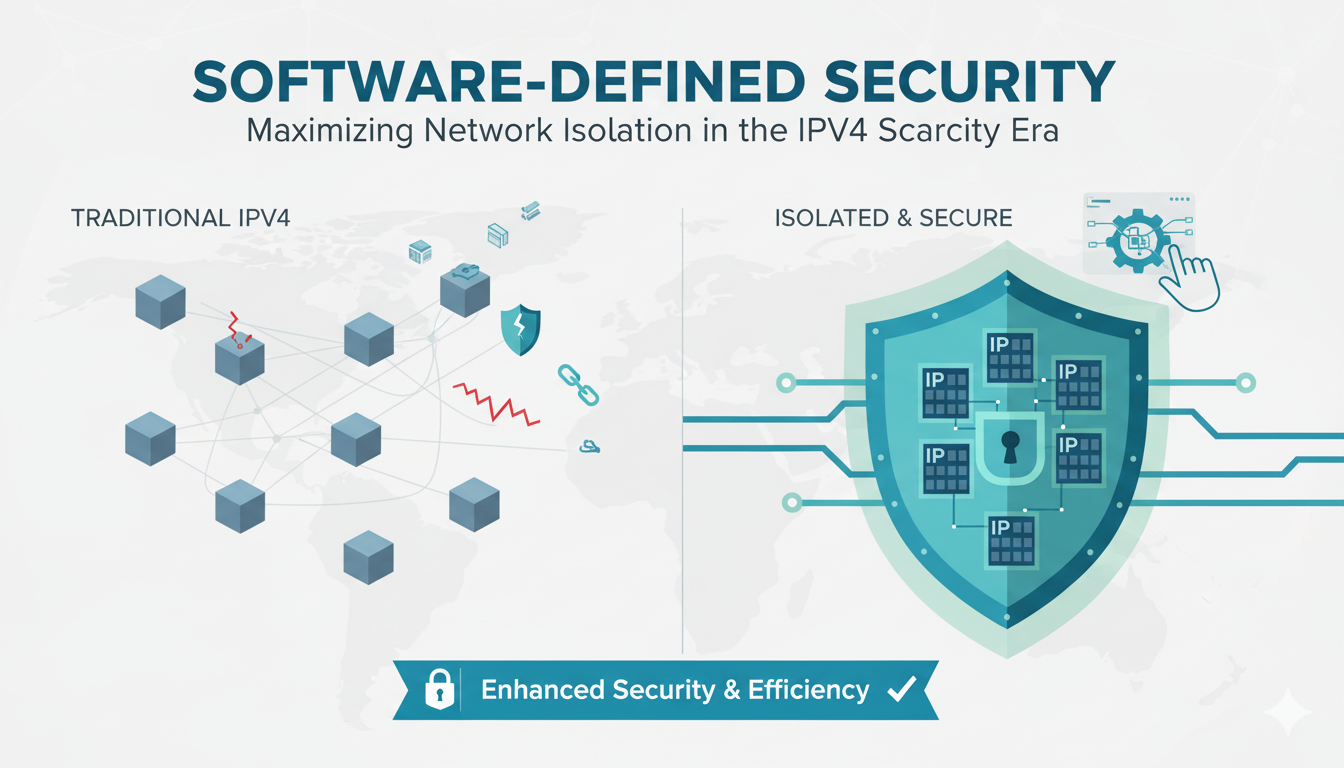
As CEO of InterLIR, I’ve witnessed firsthand how network isolation strategies

What is an ASN? ASN stands for Autonomous System Number. It is a unique identifier

Anycast DNS: A Leader’s Guide to Protecting Your Digital Infrastructure Executive

RPKI Certification: A Leader’s Guide to Internet Routing Security Executive

Executive Summary: What You Need to Know 🎯 Strategic Importance – Internet

When AWS DynamoDB failed in October 2025, thousands of businesses discovered that

Executive Summary: What You Need to Know 🎯 IP reputation directly impacts your
Live chat is provided by Intercom and is loaded only after you enable it. You can also contact us without enabling the chat.