In the digital age, where online presence and digital communications are crucial for success, the role of IP addresses, particularly dedicated IP addresses, becomes increasingly significant for enterprises. A dedicated IP address offers a range of benefits that can enhance the operational efficiency, security, and reputation of digital businesses.

For businesses relying heavily on email marketing, a dedicated IP address is a game-changer. It provides greater control over email deliverability and reputation management. Unlike shared IPs, where your email deliverability can be affected by the actions of others, a dedicated IP allows you to build and maintain your sender reputation. This control is crucial for ensuring that your marketing emails reach your audience’s inbox, not their spam folder.
Security is a paramount concern for digital enterprises, and dedicated IP addresses offer a significant boost in this area. Sharing an IP with other users increases the risk of being blacklisted if one of the users engages in malicious activities. A dedicated IP isolates your business from these risks, offering enhanced security, especially for companies handling sensitive data.
Dedicated IP addresses facilitate secure remote access to company resources. This feature is particularly useful for businesses with remote or distributed teams. It allows for more controlled access to specific resources and sensitive company assets, ensuring that only authorized personnel can access critical data.
For e-commerce businesses or any enterprise that handles online transactions, SSL certificates are non-negotiable for ensuring secure connections. A dedicated IP address simplifies the process of adding an SSL certificate, which is crucial for authenticating your website and encrypting data.
Dedicated IP addresses provide greater control over IT operations management, allowing for more customization in network settings and security measures. This level of control is beneficial for businesses with specific network requirements or those needing enhanced capabilities for remote access.
| Feature | Dedicated IP Address | Shared IP Address |
| Email Deliverability | High control over sender reputation | Affected by other users’ actions |
| Security | Reduced risk of blacklisting | Higher risk due to shared usage |
| Remote Access | Secure and controlled access | Limited control and customization |
| SSL Certificate | Simplifies implementation | Can be more complex to implement |
| Customization | High level of customization | Limited by shared environment |
A dedicated IP address is a valuable asset for digital enterprises, offering advantages in email deliverability, security, remote access, and more. By investing in a dedicated IP, businesses can enjoy a higher level of control and security, which is crucial in today’s digital landscape. While shared IPs might be cost-effective for small businesses or individual websites, dedicated IPs are a strategic investment for enterprises aiming for growth, security, and a robust online presence.

Evgeny Sevastyanov
Client Support Teamleader

A Beginner’s Guide to Subnetting IPv4 and IPv6 Addresses Subnetting is a critical

Why IPv4 Leasing Is Becoming the Smart Choice for Businesses in 2025 1. Introduction
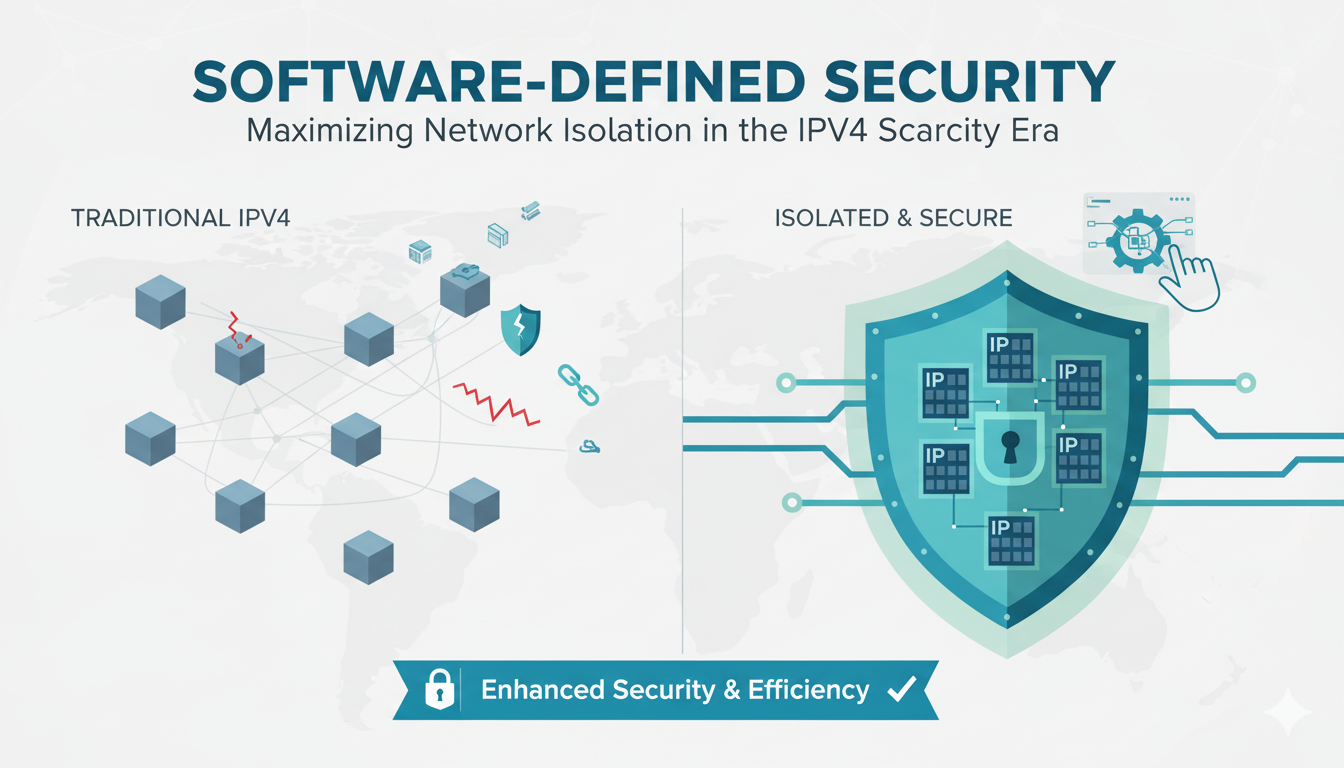
As CEO of InterLIR, I’ve witnessed firsthand how network isolation strategies

What is an ASN? ASN stands for Autonomous System Number. It is a unique identifier

Anycast DNS: A Leader’s Guide to Protecting Your Digital Infrastructure Executive

RPKI Certification: A Leader’s Guide to Internet Routing Security Executive

Executive Summary: What You Need to Know 🎯 Strategic Importance – Internet

When AWS DynamoDB failed in October 2025, thousands of businesses discovered that

Executive Summary: What You Need to Know 🎯 IP reputation directly impacts your
Live chat is provided by Intercom and is loaded only after you enable it. You can also contact us without enabling the chat.