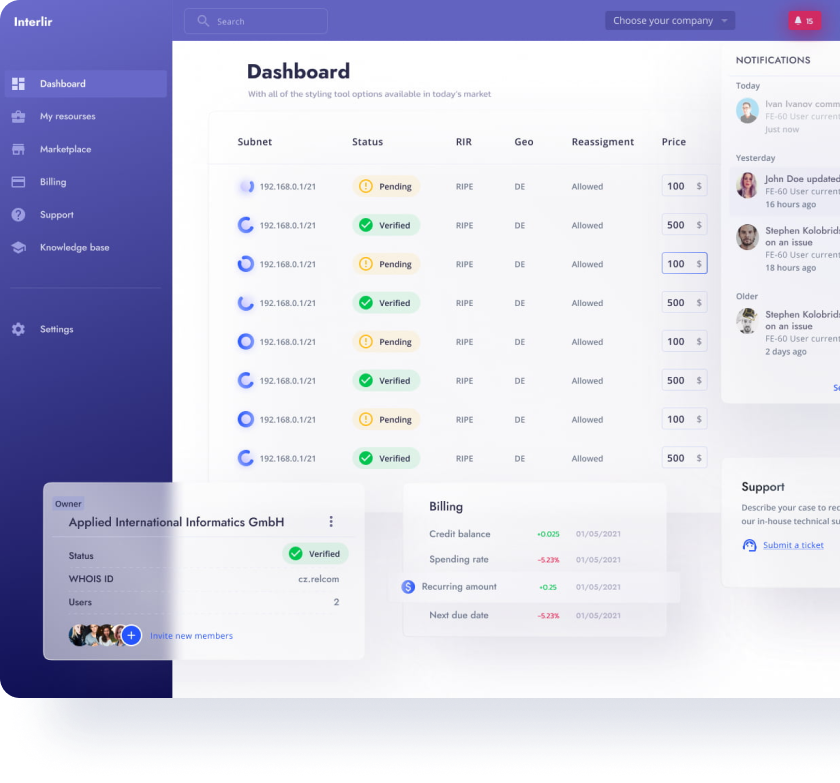
The internet’s expansion has led to a critical juncture in IP address allocation. The once abundant IPv4 addresses are now scarce, and IPv6 emerges as a robust alternative. We delve into how IPv6 adoption impacts the IPv4 market, shaping its dynamics and pricing.

The exhaustion of IPv4 addresses in 2011 triggered a market for IPv4 address trading. This scarcity has driven up the value of IPv4 addresses, turning them into a significant digital commodity.
With increasing demand and limited supply, IPv4 addresses have seen a surge in market value. Prices fluctuate around $20 per address, a testament to their scarcity and high demand.
IPv4 availability varies globally, leading to different market conditions in various regions. For example, regions with more abundant IPv4 resources might see lower prices compared to areas with acute shortages.
The trend is shifting from purchasing to leasing IPv4 addresses. Leasing offers a cost-effective and flexible option for businesses, especially those with varying address space needs.
Here’s a comparative table summarizing the key differences between leasing and purchasing IPv4 addresses:
Aspect | Leasing IPv4 addresses | Purchasing IPv4 addresses |
Cost | Recurring cost (monthly or annually), budget-friendly, especially for variable needs or to keep initial costs low. | One-time upfront payment, potentially more economical in the long run for stable or growing IP needs. |
Ownership | No ownership; IPs are rented for a certain period. | Full ownership of the IPs; they become a business asset, potentially sellable or leasable in the future. |
Flexibility | Higher flexibility; number of IPs can be adjusted based on current needs. | Less flexibility compared to leasing; ensures stable availability of IPs for long-term needs. |
Maintenance | Maintenance and administration is usually handled by the service provider. | Requires in-house management and expertise for maintenance and administration. |
Appreciation value | No capital appreciation, as there is no ownership involved. | Potential for IP addresses to appreciate in value, especially if demand increases. |
Regulatory compliance | Less rigorous compliance process, as ownership doesn’t change. | More stringent compliance and policy adherence required due to ownership of the IP addresses. |
Market availability | Instant access to IPs; suitable for short-term or fluctuating needs. | Availability may be subject to market fluctuations and scarcity. |
Investment aspect | Suitable for businesses seeking to minimize upfront expenses or with uncertain long-term IP requirements. | Beneficial for businesses with stable and long-term IP address requirements and financial capability to invest. |
The growing deployment of IPv6-only services is reducing the network management burden. As IPv6 becomes more widespread, the necessity to translate from IPv6 to IPv4 environments decreases.
The increasing support for IPv6 across devices and services is expected to gradually reduce the reliance on IPv4, potentially leading to a decline in its usage.
The IPv6 market is poised for growth, particularly in technologically advanced regions like North America and Europe, and rapidly developing areas in the Asia Pacific. This growth is attributed to the significant presence of ICT infrastructure and early adoption of new technologies.
Businesses must adapt their IP strategies, considering the evolving landscape and the long-term shift towards IPv6. This includes balancing current IPv4 needs with future IPv6 integration.
In conclusion, the IPv4 market remains dynamic amidst the gradual transition to IPv6. Understanding these market nuances, regional variations, and the impact of IPv6 adoption is crucial for organizations planning their digital strategy in this dual-protocol world.

Alexander Timokhin
COO

A Beginner’s Guide to Subnetting IPv4 and IPv6 Addresses Subnetting is a critical

Why IPv4 Leasing Is Becoming the Smart Choice for Businesses in 2025 1. Introduction
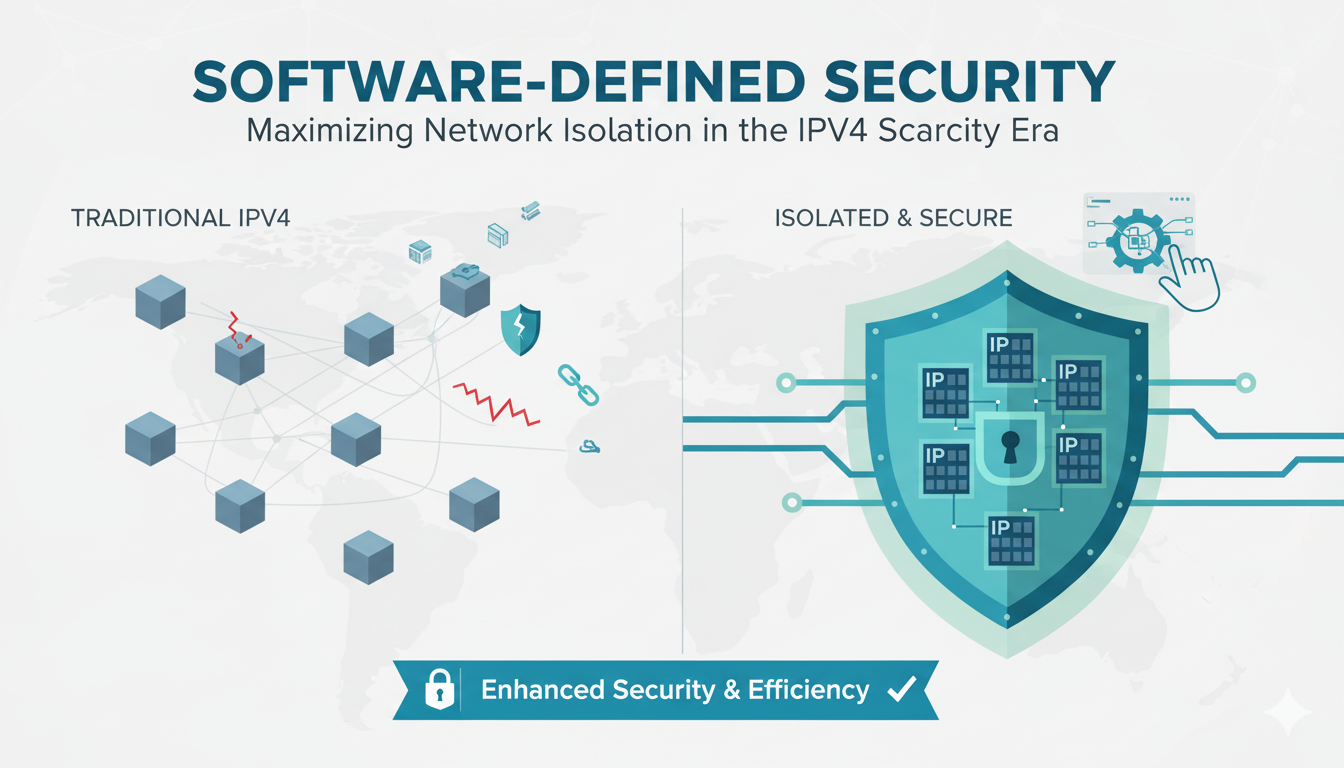
As CEO of InterLIR, I’ve witnessed firsthand how network isolation strategies

What is an ASN? ASN stands for Autonomous System Number. It is a unique identifier

Anycast DNS: A Leader’s Guide to Protecting Your Digital Infrastructure Executive

RPKI Certification: A Leader’s Guide to Internet Routing Security Executive

Executive Summary: What You Need to Know 🎯 Strategic Importance – Internet

When AWS DynamoDB failed in October 2025, thousands of businesses discovered that

Executive Summary: What You Need to Know 🎯 IP reputation directly impacts your
Live chat is provided by Intercom and is loaded only after you enable it. You can also contact us without enabling the chat.