In the ever-evolving landscape of mergers and acquisitions, digital assets have become pivotal players, steering the course of business transactions. Among these assets, IPv4 addresses stand out as a critical yet often overlooked component.
The digital era has ushered in a paradigm shift in the way businesses perceive and handle assets during mergers and acquisitions. While traditional assets such as physical infrastructure and intellectual property remain crucial, the spotlight is increasingly turning towards digital assets. These encompass a wide array of items, from proprietary software to online platforms and, notably, IPv4 addresses.
1. Blockchain Assets: Including cryptocurrencies and non-fungible tokens (NFTs).
2. Intellectual Property: Patents, trademarks, and copyrights.
3. Online Platforms: Websites, social media handles, and digital domains.
4. Data Repositories: Databases, customer information, and analytics.
5. Network Infrastructure: The often-overlooked yet critical IPv4 addresses.
IPv4 addresses, in particular, play a vital role in ensuring seamless connectivity in the digital realm. These addresses, in the format of xxx.xxx.xxx.xxx, are the numerical labels assigned to devices participating in a computer network that uses the Internet Protocol for communication.
1. Network Integration: When two entities merge, integrating their existing networks can be a logistical challenge. IPv4 addresses facilitate this integration, ensuring a smooth transition without disruptions.
2. Legacy System Compatibility: Many businesses operate on legacy systems built around IPv4 infrastructure. Adapting to newer formats like IPv6 involves substantial costs and complexities.
3. Expansion without Overhaul: Acquiring IPv4 addresses allows companies to expand their network without overhauling their existing infrastructure.
The value of IPv4 addresses is often underestimated, yet their scarcity and role in network continuity make them invaluable. During a merger or acquisition, the possession of unused IPv4 address blocks can significantly impact the negotiation and overall valuation of the deal.
1. Seamless Integration: IPv4 addresses enable a seamless integration of networks, minimizing downtime and ensuring uninterrupted business operations.
2. Cost-Effective Expansion: Acquiring IPv4 addresses provides a cost-effective means of expanding a company’s connected devices network without the need for a complete infrastructure overhaul.
3. Compatibility: Ensuring compatibility with existing systems and applications, IPv4 addresses act as a bridge between legacy systems and the evolving landscape of digital technology.
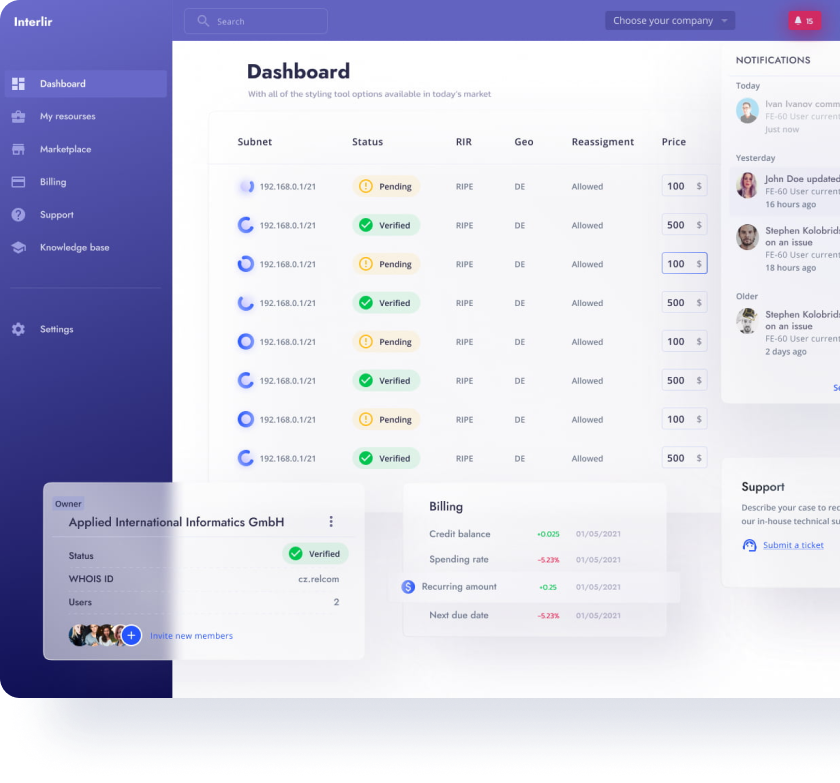
Selling or acquiring IPv4 addresses involves a nuanced process. Engaging with a reputable IPv4 broker streamlines this process, connecting sellers with qualified buyers, handling legal intricacies, and ensuring secure transactions through escrow services.
As businesses venture into the digital frontier of mergers and acquisitions, recognizing the latent potential within IPv4 addresses is essential. These seemingly mundane numerical labels hold the key to a seamless transition, ensuring that businesses can adapt, expand, and evolve without the shackles of network constraints. Embracing the value of IPv4 assets in the strategic playbook of mergers and acquisitions is not just a choice; it’s a necessity in the digital age.

Alexander Timokhin
COO

A Beginner’s Guide to Subnetting IPv4 and IPv6 Addresses Subnetting is a critical

Why IPv4 Leasing Is Becoming the Smart Choice for Businesses in 2025 1. Introduction
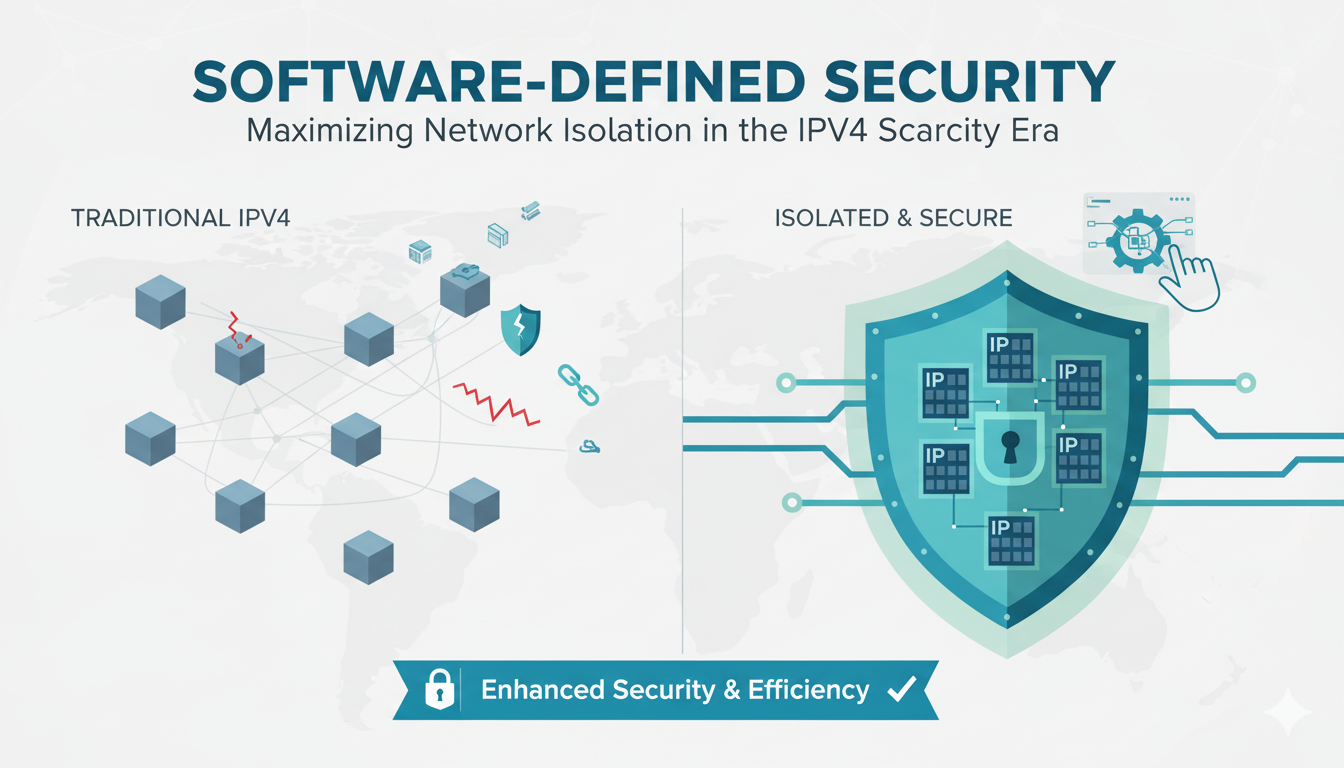
As CEO of InterLIR, I’ve witnessed firsthand how network isolation strategies
What is an ASN? ASN stands for Autonomous System Number. It is a unique identifier

Anycast DNS: A Leader’s Guide to Protecting Your Digital Infrastructure Executive

RPKI Certification: A Leader’s Guide to Internet Routing Security Executive

Executive Summary: What You Need to Know 🎯 Strategic Importance – Internet

When AWS DynamoDB failed in October 2025, thousands of businesses discovered that

Executive Summary: What You Need to Know 🎯 IP reputation directly impacts your
Live chat is provided by Intercom and is loaded only after you enable it. You can also contact us without enabling the chat.