In the rapidly evolving landscape of cloud computing, understanding IP address types is fundamental to optimizing network architecture. IP addresses serve as the backbone of communication across the internet and within cloud environments. This article explores the various IP address types and their crucial role in the realm of cloud networking.

IP Address Type | Address Length | Scope | Routability | Use Case in Cloud Networking |
IPv4 | 32 bits | Global | Routable on the Internet | Managing connections in a world still predominantly IPv4. |
IPv6 | 128 bits | Global | Routable on the Internet | Future-proofing cloud networks with a vast address space. |
Public IP | N/A | Global | Routable on the Internet | Enabling external communication with cloud resources. |
Private IP | N/A | Local | Non-routable | Facilitating secure communication within a cloud network. |
Elastic IP | N/A | Local (cloud) | Routable on the Internet | Providing persistent addresses for dynamic cloud instances. |

Alexey Shkittin
CEO

A Beginner’s Guide to Subnetting IPv4 and IPv6 Addresses Subnetting is a critical

Why IPv4 Leasing Is Becoming the Smart Choice for Businesses in 2025 1. Introduction
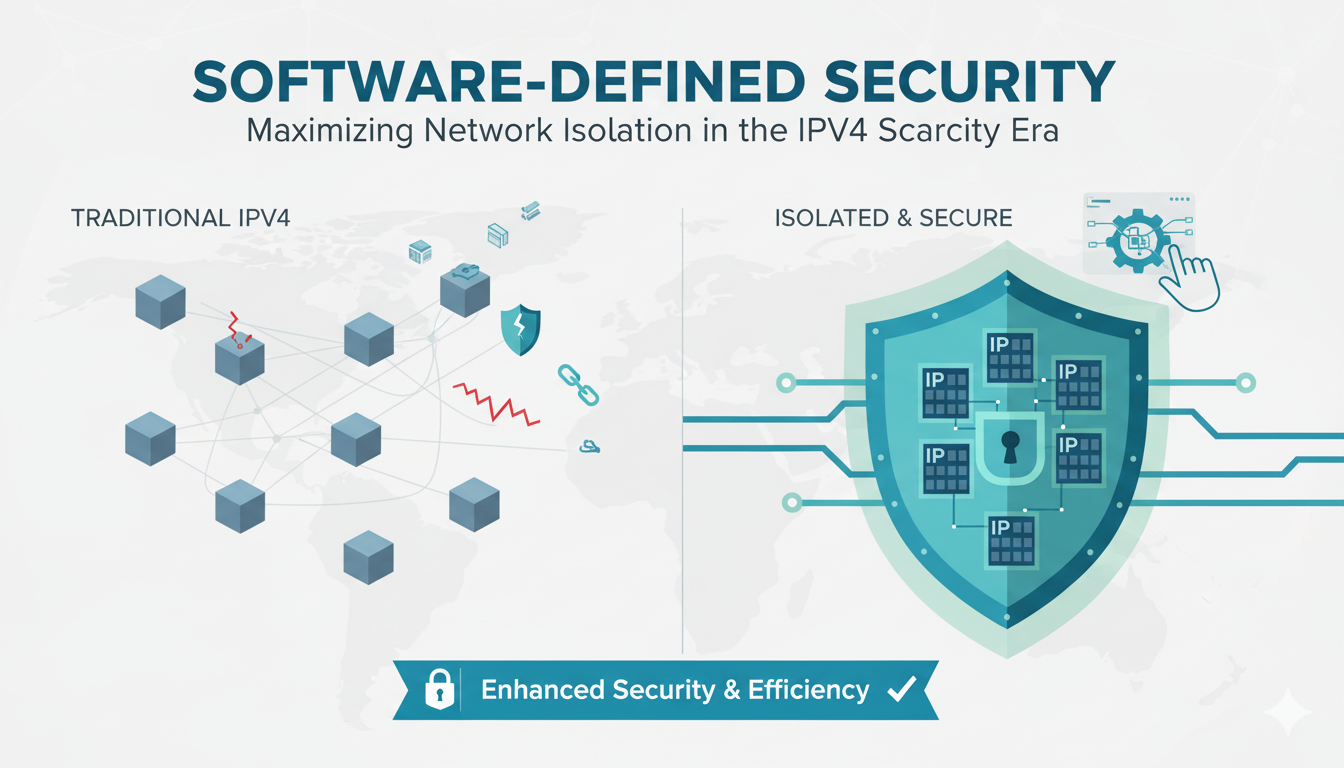
As CEO of InterLIR, I’ve witnessed firsthand how network isolation strategies

What is an ASN? ASN stands for Autonomous System Number. It is a unique identifier

Anycast DNS: A Leader’s Guide to Protecting Your Digital Infrastructure Executive

RPKI Certification: A Leader’s Guide to Internet Routing Security Executive

Executive Summary: What You Need to Know 🎯 Strategic Importance – Internet

When AWS DynamoDB failed in October 2025, thousands of businesses discovered that

Executive Summary: What You Need to Know 🎯 IP reputation directly impacts your
Live chat is provided by Intercom and is loaded only after you enable it. You can also contact us without enabling the chat.