In today’s interconnected world, the internet is the backbone of communication. From simple emails to complex cloud services, it’s the driving force behind the digital age. Behind this global network are two distinct but interdependent protocols – IPv4 and IPv6.
IPv4 (Internet Protocol version 4) was the pioneering protocol that laid the foundation for the internet as we know it. However, as the internet grew at an unprecedented rate, it became clear that IPv4 had limitations, most notably an exhausted pool of available IP addresses. This looming scarcity called for a new protocol – IPv6.
IPv6, the sixth revision of the internet protocol, boasts a vastly expanded address space. It’s capable of accommodating an almost unimaginable number of unique IP addresses, effectively solving the address exhaustion problem. Yet, IPv4 remains the dominant protocol, leading to the need for coexistence between the two.
IPv4 and IPv6 Dual Stack is the bridge between these two worlds. It allows devices, networks, and services to operate using both IPv4 and IPv6 simultaneously. This transition mechanism helps the gradual integration of IPv6 while preserving compatibility with IPv4.
While the Dual Stack approach is a significant step forward, it isn’t without challenges. Managing two sets of IP addresses, configuring routing tables, and ensuring security across both protocols can be complex. Additionally, not all applications and services are compatible with IPv6, creating potential issues.
As the IPv4 address pool nears exhaustion, the coexistence of IPv4 and IPv6 through Dual Stack is becoming increasingly important. The industry is making strides to ensure a seamless transition. Internet Service Providers (ISPs), content providers, and hardware manufacturers are adopting Dual Stack strategies.
The concept of IPv4 and IPv6 Dual Stack is not just a technical strategy; it’s a testament to the ever-evolving nature of the internet. IPv4 laid the foundation, and IPv6 is the path to the future. Dual Stack serves as the connector, allowing us to embrace the potential of IPv6 while maintaining compatibility with IPv4.

Alexander Timokhin
COO
A Beginner’s Guide to Subnetting IPv4 and IPv6 Addresses Subnetting is a critical

Why IPv4 Leasing Is Becoming the Smart Choice for Businesses in 2025 1. Introduction
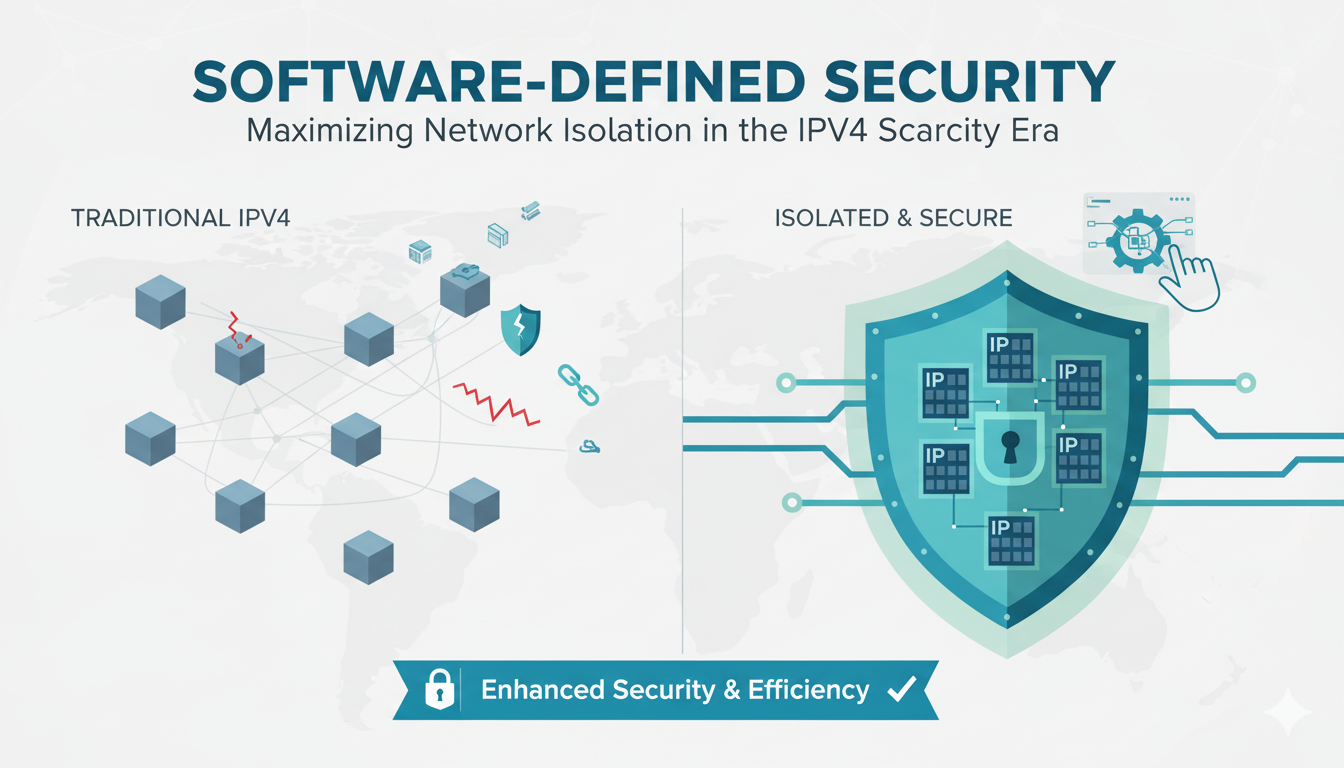
As CEO of InterLIR, I’ve witnessed firsthand how network isolation strategies
What is an ASN? ASN stands for Autonomous System Number. It is a unique identifier

Anycast DNS: A Leader’s Guide to Protecting Your Digital Infrastructure Executive

RPKI Certification: A Leader’s Guide to Internet Routing Security Executive

Executive Summary: What You Need to Know 🎯 Strategic Importance – Internet

When AWS DynamoDB failed in October 2025, thousands of businesses discovered that

Executive Summary: What You Need to Know 🎯 IP reputation directly impacts your
Live chat is provided by Intercom and is loaded only after you enable it. You can also contact us without enabling the chat.