The United States Department of Defense (DoD) IPv6 Mandate, set in motion to address the limitations of the aging IPv4 protocol, has far-reaching implications for the IPv4 market. IPv4 brokers, who facilitate the transfer of IPv4 addresses, are at the forefront of these changes.
The DoD IPv6 Mandate, introduced by the U.S. Department of Defense, aims to transition its networks from the outdated IPv4 protocol to the more advanced and scalable IPv6. This shift is driven by the exhaustion of IPv4 addresses, which has been exacerbated by the increasing number of internet-connected devices worldwide. While IPv4 provides approximately 4.3 billion unique addresses, IPv6 offers an almost infinite pool of addresses, making it a sustainable choice for the future.
The DoD’s commitment to IPv6 has catalyzed a global shift towards the adoption of IPv6. As a result, we are witnessing a substantial surge in the demand for IPv6 addresses. This is particularly evident in the defense sector and, subsequently, in the broader technology landscape. IPv6’s extensive address space is essential for the DoD’s evolving requirements and, by extension, for all organizations that aim to engage with DoD networks.
The increased focus on IPv6 has caused significant ripples in the IPv4 market. IPv4, while still essential for many businesses and services, is now a finite and increasingly valuable resource. This scarcity has driven up the price of IPv4 addresses, making it a seller’s market. IPv4 brokers are witnessing a surge in demand from companies seeking to acquire IPv4 blocks while they are still available.
As the IPv4 market tightens, more organizations are turning to IPv4 brokers to facilitate address transfers. Companies with excess IPv4 resources can capitalize on this demand by selling or leasing their surplus addresses. IPv4 brokers play a crucial role in matching sellers and buyers and ensuring that transactions are conducted securely and in compliance with regional regulations.
IPv4 brokers are also actively engaged in assisting the DoD and its contractors in efficiently redistributing IPv4 resources. This includes transferring unused or underutilized IPv4 blocks to entities with the greatest need. This strategic allocation optimizes IPv4 utilization within the DoD’s network ecosystem.
The DoD IPv6 Mandate is a pivotal development in the world of networking and has profound implications for the IPv4 market. IPv4 brokers are navigating these changes by mediating the transfer of IPv4 addresses and ensuring that organizations can access the resources they require. As IPv6 adoption continues to accelerate, the IPv4 market will remain dynamic, offering both challenges and opportunities for IPv4 brokers and businesses alike.
In this evolving landscape, it’s crucial for organizations to assess their IP address needs and explore their options within the IPv4 and IPv6 space. IPv4 brokers are ready to assist, ensuring a seamless transition and efficient resource allocation during this transformative period in the world of IP networking.

Alexander Timokhin
COO

A Beginner’s Guide to Subnetting IPv4 and IPv6 Addresses Subnetting is a critical

Why IPv4 Leasing Is Becoming the Smart Choice for Businesses in 2025 1. Introduction
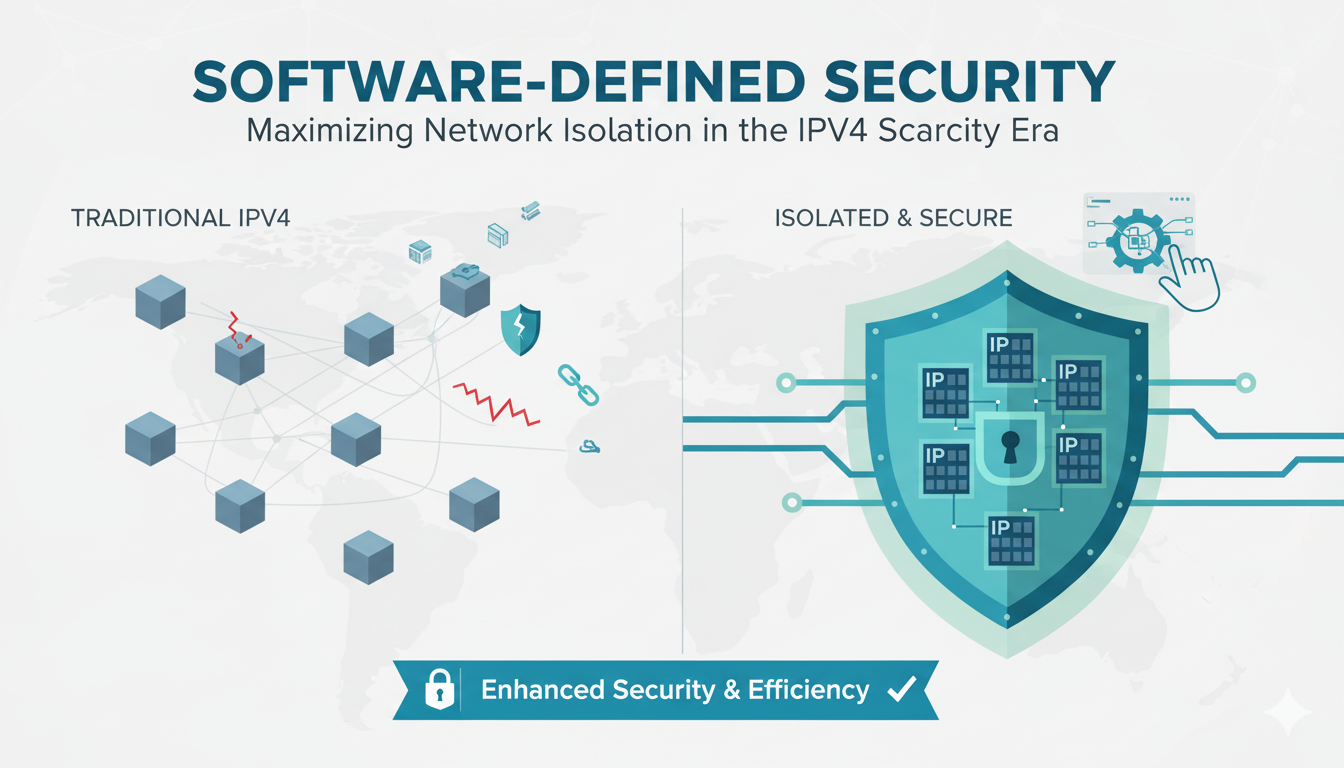
As CEO of InterLIR, I’ve witnessed firsthand how network isolation strategies

What is an ASN? ASN stands for Autonomous System Number. It is a unique identifier

Anycast DNS: A Leader’s Guide to Protecting Your Digital Infrastructure Executive

RPKI Certification: A Leader’s Guide to Internet Routing Security Executive

Executive Summary: What You Need to Know 🎯 Strategic Importance – Internet

When AWS DynamoDB failed in October 2025, thousands of businesses discovered that

Executive Summary: What You Need to Know 🎯 IP reputation directly impacts your
Live chat is provided by Intercom and is loaded only after you enable it. You can also contact us without enabling the chat.