This policy allows you to transfer IP addresses only within the region. Also AfriNIC allows transfers due to mergers or acquisitions. In both cases, the recipient must confirm their need for the requested addresses.
AFRINIC is currently the only regional registry that still has a significant number of IPv4 addresses available in its free pool. Unlike other regional registries, AFRINIC does not have an existing policy for inter-regional transfers of IP addresses. As a result, there has been little to no activity in terms of transferring IP addresses to and from AFRINIC since the beginning of 2021.
However, AFRINIC is now planning to introduce a new policy that would allow for inter-regional transfers with other Regional Internet Registries (RIRs). If this policy is implemented, it would create an IPv4 address market in Africa, opening up opportunities for the transfer of IP addresses between AFRINIC and other RIRs.
Account creation.
In order to obtain an IPv4 address from AFRINIC, the buyer must first create a member account with AFRINIC. This is a mandatory requirement to proceed with the acquisition.
Negotiations.
To finalize the transfer, the buyer and seller need to engage in negotiations. They must discuss all the specifics of the IPv4 address transfer, including the associated costs. During this process, they also establish an agreement regarding confidentiality terms. The agreement should outline important details such as the timing of fund transfers to an escrow account, the designated recipient, and the initiation and completion timelines for the transfer. It’s worth noting that AFRINIC does not directly participate in these negotiations.
Initiating the transfer process.
Both the seller and the buyer have the option to initiate the transfer process by submitting a request to AFRINIC. If the agreement specifies that the seller should initiate the transfer, they can access the MyAFRINIC portal, where they are already registered. On the other hand, if the buyer is responsible for initiating the process, they must also register with AFRINIC.
Receiving a notification from AFRINIC.
Upon initiating the transfer request, either the seller or the buyer (depending on who initiated the process) will receive a notification from AFRINIC informing them about an incomplete request for the transfer of the IPv4 address space.
Confirmation of the request.
The buyer or seller, as the case may be, must confirm the request to proceed with the transfer of the IPv4 address. This confirmation is necessary to move forward with the process.
Signing of the application.
Both the seller and the buyer are required to sign the AFRINIC Transfer Application. This application serves as a formal agreement between the parties involved and is essential for the completion of the transfer process.
Payment.
AFRINIC issues an invoice for the transfer fee. If the seller is not a member of the Legacy holder, no membership fee is required. Additionally, the buyer receives an invoice for the IPv4 address, with the cost depending on the size of the IPv4 address space being transferred.
Completion of the process.
AFRINIC completes the transfer of the IPv4 address space. The Whois database is updated accordingly to reflect the transfer, signifying the completion of the process.

Alexei Krylov Nikiforov
Sales manager

A Beginner’s Guide to Subnetting IPv4 and IPv6 Addresses Subnetting is a critical

Why IPv4 Leasing Is Becoming the Smart Choice for Businesses in 2025 1. Introduction
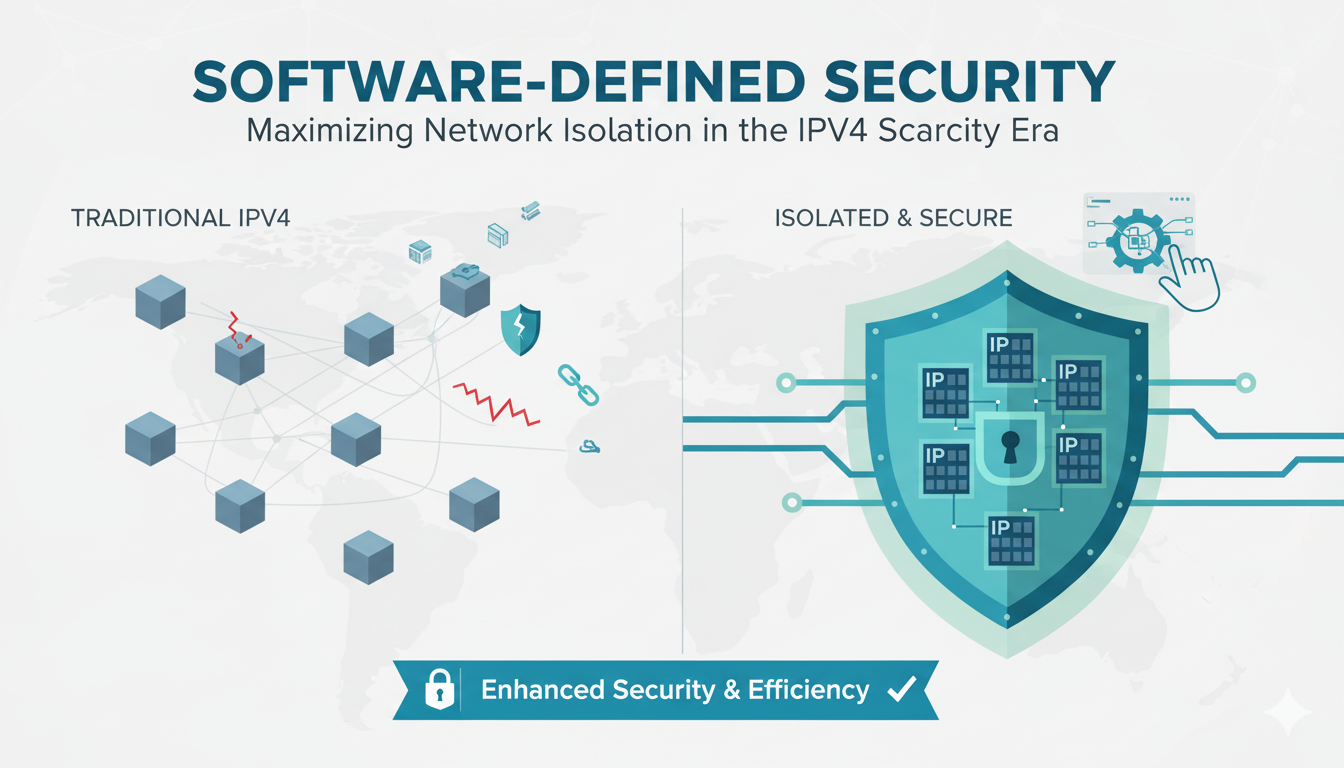
As CEO of InterLIR, I’ve witnessed firsthand how network isolation strategies

What is an ASN? ASN stands for Autonomous System Number. It is a unique identifier

Anycast DNS: A Leader’s Guide to Protecting Your Digital Infrastructure Executive

RPKI Certification: A Leader’s Guide to Internet Routing Security Executive

Executive Summary: What You Need to Know 🎯 Strategic Importance – Internet

When AWS DynamoDB failed in October 2025, thousands of businesses discovered that

Executive Summary: What You Need to Know 🎯 IP reputation directly impacts your
Live chat is provided by Intercom and is loaded only after you enable it. You can also contact us without enabling the chat.